
The best workout shoes depend on your training: flat, stable training shoes for lifting and side-to-side moves, and cushioned, lightweight running shoes for running. Wear the wrong type and it can hurt your performance and raise your injury risk, from your feet all the way up to your back. So choose for fit, support and your main activity, and keep both types in your gym bag.
I see it all the time: new clients walk into the gym in the wrong kind of shoe. Training shoes and running shoes are built for different movements. Once you know the difference, you’ll get more from your workouts and protect your feet, ankles, knees, hips and back. After more than 30 years coaching in San Diego, here’s what I recommend.
What’s the difference between training shoes and running shoes?
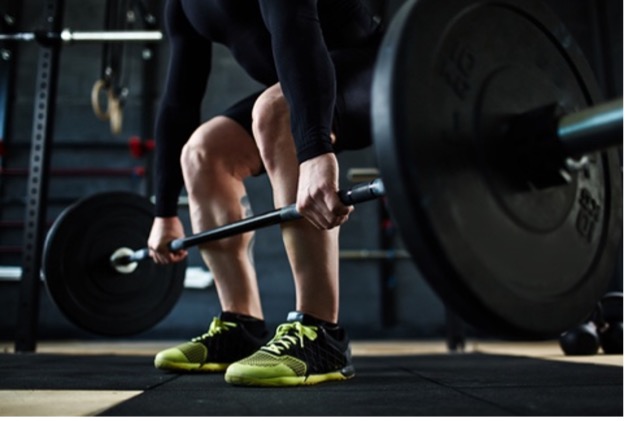
Training shoes are built to do a bit of everything: lifting, lateral movement and jumping. They have a flat, stable sole and a small heel-to-toe drop, so you stay grounded under a barbell. Running shoes, on the other hand, are made for moving forward. They’re light and have more cushioning to absorb the impact of stride after stride. And since your shoe is what connects your foot to the ground, the right one helps manage the forces your body takes in every workout.
My advice: bring both your training shoes and your running or cardio shoes to the gym. That way you’re ready for whatever the session holds.
What makes the best workout shoes for training?
- Comfort and fit. You should be able to wiggle your toes, your heel shouldn’t slip, and your foot shouldn’t stretch the upper. Go with the pair that feels best right away instead of counting on a break-in period.
- Arch support. Enough support to keep your foot stable and reduce the chance of a sprain.
- Stability. A wide, firm outsole keeps your foot in place during side-to-side moves.
- Firm heel support. This improves ankle stability during lifts.
- Durable uppers. Tough materials hold up to rope climbs, burpees and sled work.
My top training picks: the Nike Metcon, in my opinion one of the best gym shoes and built to last, and the Reebok Nano, which is also durable and designed with rope climbs in mind. Models change often, so try on the current versions.
What makes the best workout shoes for running?
Running shoes absorb shock and support forward movement while staying light. They also offer more midsole cushioning and arch support than training shoes, which can help protect against overuse injuries. Here’s what to look for:
- Comfort and fit. Try them on late in the day, when your feet are largest, in the socks you usually wear. The toe box should give your toes room, and the heel shouldn’t rub or slip.
- Cushioning and responsiveness. Choose plenty of midsole cushioning, especially for longer runs.
- Light weight. A lighter shoe won’t slow you down.
- The right heel-to-toe drop. Heavy heel strikers often do well with a drop of 10 mm or more. If you land more on your midfoot or forefoot, or have knee issues, a lower drop may feel better.
My top running picks: Brooks, such as the Ghost or Adrenaline GTS, for stability, comfort and durability; Asics for stability and durability; and Saucony for comfort and stability.
When should you replace your workout shoes?
Running shoes usually need replacing every 300 to 500 miles, or sooner if the cushioning feels flat or you notice new aches. Training shoes last longer. Still, replace them when the sole wears unevenly or the upper stops holding your foot. So jot down when you bought them, and you won’t end up training in worn-out shoes. If you have foot pain, read about plantar fasciitis relief.
Where should you buy running shoes in San Diego?
As a San Diego small business owner, I love supporting local. A specialty running store staffed by runners, like Milestone Running, can watch you run and fit you properly. Just check their current locations and hours before you go. In the end, a good fitting is the easiest way to find the best workout shoes for your feet.
Can a personal trainer help you choose the best workout shoes?
Yes. A trainer sees how you move, squat and land, so they can point you to the right type of shoe for your training. In my private Bay Park / Morena studio, footwear is part of how I help clients train safely. See also how to train for San Diego races and my rates. For weekly activity targets, see the CDC’s adult activity guidelines.
Want help with your training setup? Text Chris at (619) 840-9099 for a free consultation.
Frequently Asked Questions
Have a question that isn’t covered here? See the full personal training FAQ.
Can I use running shoes for weightlifting?
It’s not ideal. Running shoes have soft, thick cushioning that can feel unstable under a heavy barbell. Flat, firm training shoes keep you grounded and stable, so switch shoes for lifting and save your running shoes for cardio.
What are the best workout shoes for the gym?
The best workout shoes for the gym are training shoes with a flat, stable sole, a small heel-to-toe drop, firm heel support and durable uppers. Popular choices include the Nike Metcon and Reebok Nano, but fit and comfort matter most.
How often should I replace running shoes?
Many runners replace their shoes every 300 to 500 miles, or when the cushioning feels flat or new aches appear. Heavier runners and those running on rough surfaces may need to replace them sooner.
Do I need different shoes for training and running?
If you both lift and run regularly, yes. Training shoes are built for stability and lateral movement, while running shoes are built for cushioning and forward motion. Using the right shoe for each helps performance and comfort.
Chris Keith has over 30 years of personal training in San Diego (since 1995) and was voted Best Personal Trainer by San Diego Magazine. He trains clients one-on-one at his private studio in Bay Park / Morena. Learn more about Chris or contact Chris to get started.