
7 Essential Benefits of a Personal Trainer for Seniors
Personal Trainer for Seniors 7 Essential Benefits of a Personal Trainer for Seniors A personal trainer for seniors helps older adults build strength, improve balance and stay independent, using exercises adapted to their joints and health history. In fact, the CDC recommends that adults 65 and older do muscle-strengthening activities ... Read More

Strength Training for Beginners: A Simple Guide
Strength Training for Beginners: A Simple Guide Built on Tudor Bompa's 5 Basic Laws Walking into a gym for the first time can feel like showing up to a party where everyone else already knows the rules. Machines with confusing diagrams, people grunting under barbells, and a hundred opinions online ... Read More

Gradual Progressive Overload: Get Stronger Without Getting Hurt
Gradual Progressive Overload: How to Get Stronger Without Getting Hurt Most people don't stop making progress because they aren't working hard enough. They stall because they do the same workout, with the same weights, for months. Or they swing the other way, jump too fast, and end up with a ... Read More
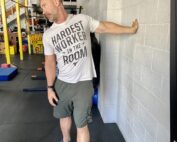
Strength Training After Physical Therapy: Getting Stronger Safely
Strength Training After Physical Therapy: How to Keep Getting Stronger Safely Your last PT appointment can feel oddly anticlimactic. You've spent weeks or months rebuilding, and then someone hands you a home exercise sheet and says you're good to go. But "discharged" doesn't mean "fully strong again." Physical therapy is ... Read More

Movement Is Medicine for the Brain
Most people exercise because they want to improve how their body looks or performs. But one of the most powerful benefits of exercise happens in a place we can’t see: The brain. Decades of research in neuroscience and exercise physiology show that regular physical activity has profound effects on mood, ... Read More
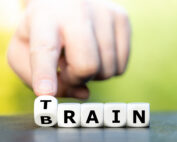
Train Your Brain Like a Muscle
When people think about fitness, they usually think about muscles—getting stronger, building endurance, improving mobility. But there’s another part of the body adapting to training every time you move: Your brain. Just like muscles, the brain changes in response to repeated stress and recovery. Exercise doesn’t only strengthen the body. ... Read More