This body type quiz sorts you into one of three classic types: ectomorph (lean, struggles to gain), endomorph (gains easily, holds weight in the middle) or mesomorph (naturally muscular). Answer eight quick questions, then use the matching training and nutrition tips below. Most people are a blend, so treat it as a starting point.
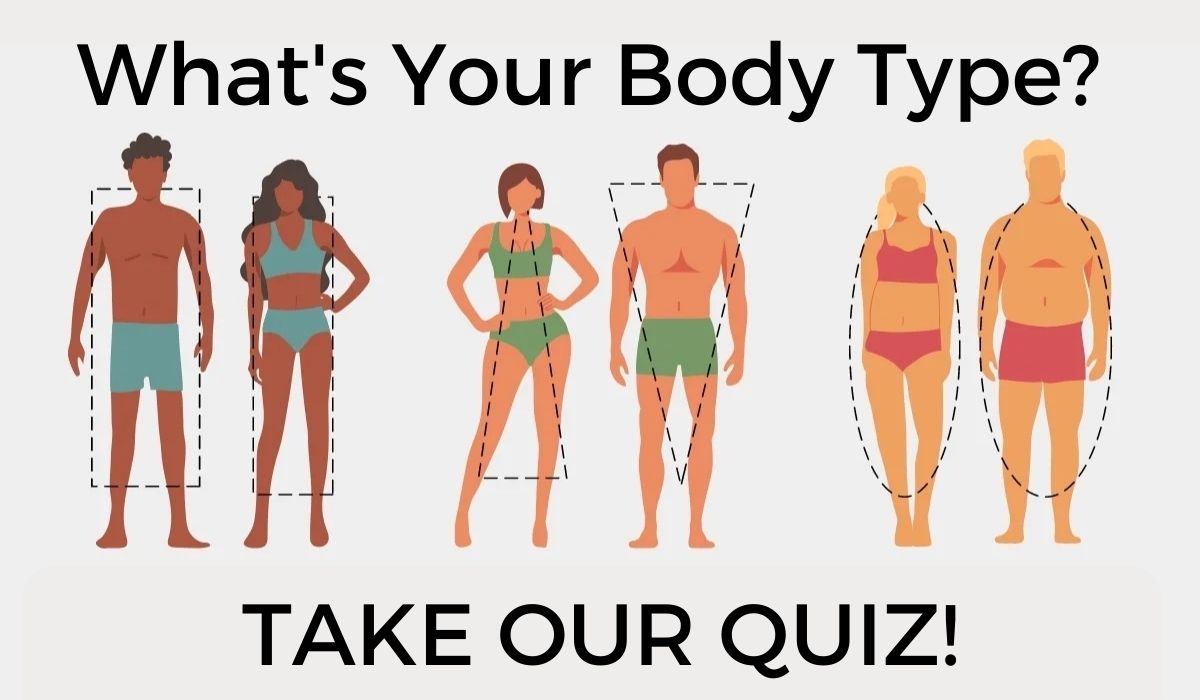
Ever notice how some people eat whatever they want and never gain a pound, while others fight to lose a few? Or how some people put on muscle easily while others stay thin no matter what? Part of that comes down to body type. In fact, in more than 30 years of training clients in San Diego, I’ve seen that your natural build affects how fast you gain muscle, lose fat and recover.
But here’s what matters most: your body type is not an excuse. Clients who say “it’s just my genetics” tend to stall. On the other hand, clients who treat their body type as one useful piece of the puzzle usually do much better. So grab a pen, jot down your answers, and let’s get going.
How accurate is a body type quiz?
The three body types (called somatotypes) go back to the 1940s. Today, scientists see them as a rough description, not a fixed category, because most people land somewhere in between. Plus, your build can change a lot with training, nutrition and age. Still, a body type quiz is a practical way to think about how you respond to exercise and food. So use it to pick a sensible starting plan, then adjust based on your real results.
Take the body type quiz: 8 questions
For each question, pick the answer that fits you best most of the time.
1. Which best describes your body frame?
- a) Lean and slender, with narrow shoulders and hips
- b) Soft and rounder, with a higher percentage of body fat
- c) Naturally muscular and athletic
2. How do you respond to a new exercise routine?
- a) I have trouble gaining weight, even muscle
- b) I struggle to lose weight, and muscle takes time
- c) I gain muscle easily and see results quickly
3. What is your metabolism like?
- a) Fast; I struggle to gain weight even when I eat a lot
- b) Slower than most people I know
- c) Fairly fast, but I can gain if I overdo it
4. How do you gain or lose weight?
- a) It’s hard to gain muscle or fat, no matter what I do
- b) I gain weight easily and find it hard to lose
- c) I gain easily, but I also lose quickly when I tighten up
5. What is your energy like during the day?
- a) Steady, but not especially high
- b) Up and down; I often feel tired
- c) High; I rarely feel fatigued
6. How would you describe your appetite?
- a) Fairly low; I sometimes forget to eat
- b) Strong, and it can be hard to control
- c) Hearty, and I use it well
7. Where do you usually store weight?
- a) I don’t store much fat anywhere
- b) Mostly my midsection, hips and thighs
- c) Fairly evenly throughout my body
8. How does stress affect you?
- a) I tend to lose weight or skip meals
- b) I tend to eat more and gain weight
- c) I handle it well, and my weight doesn’t change much
Your body type quiz results
- Mostly (a): Ectomorph. You’re naturally lean and have a hard time gaining weight. That’s why you’ll do best with nutrient-dense meals and a focused strength program.
- Mostly (b): Endomorph. You put on weight more easily. So a mix of strength training, cardio and a balanced diet works best for you.
- Mostly (c): Mesomorph. You build muscle easily. That means a balanced routine and a diet that supports muscle and overall health will keep you progressing.
- A fairly even mix: You’re a blend, which is common. Start with the type you scored highest, then adjust.
Ectomorph: how to train and eat
Ectomorphs are usually thin, with a narrow frame, long limbs and low body fat. They often have a hard time gaining weight or muscle. So the plan should center on building muscle and strength.
Training: Stick mostly to compound exercises that work several muscle groups, like squats, deadlifts, presses and pull-ups. Aim for 3 to 4 strength sessions per week and use progressive overload, which just means slowly adding weight or reps over time. Do some cardio for heart health, but don’t overdo it, because too much makes gaining muscle harder.
Nutrition: Eat in a small calorie surplus to support muscle growth. Build your meals around whole foods with a balance of carbs, protein and healthy fats. For example, nuts, seeds, olive oil and avocado add calories easily. And don’t fear carbs; they fuel your workouts.
Endomorph: how to train and eat
Endomorphs tend to have a bigger frame and a higher body fat percentage, and they often carry weight around the middle. So the plan should center on losing fat while building or keeping muscle.
Training: Pair strength training with cardio. Aim for 3 to 4 strength sessions per week built on compound exercises and progressive overload. Then add low-impact cardio like the stair climber, incline walking or rowing, plus short intervals if your joints and fitness allow.
Nutrition: Eat in a moderate calorie deficit. Lean on protein like chicken, fish and tofu, healthy fats, and fiber-rich carbs like fruit, vegetables and whole grains. Also, limit highly processed foods and added sugars. But don’t cut calories too hard, because that drains your energy and makes it harder to keep muscle.
Mesomorph: how to train and eat
I always say mesomorphs get the best of both worlds. They usually have a medium frame, broader shoulders and an athletic build, and they can gain or lose weight fairly easily depending on their habits. So the focus here is keeping muscle and overall fitness.
Training: Use a balanced mix of strength training and cardio. For example, 3 to 5 strength sessions per week with progressive overload, plus 1 to 2 cardio sessions of intervals or steady-state work.
Nutrition: Eat a balanced diet at roughly maintenance calories. Include protein at every meal, plus whole-food carbs and healthy fats. There’s no need to cut out any major food group.
How much protein does each body type need?
Protein needs depend more on your goals, activity and age than on your body type. In general, many active adults who strength train do well at about 0.7 to 1 gram per pound of goal body weight per day, spread across meals. If you have kidney disease or another medical condition, though, check with your doctor first. For general guidance on healthy eating, see the USDA’s MyPlate.
Get a plan built for your body type in San Diego
A body type quiz points you in the right direction. Still, everyone’s body is different, and these are general guidelines. That’s why, in my private studio in Bay Park / Morena, I start every new client with an assessment of posture, movement, history and goals, then build a plan around how your body actually responds. You can learn more about the Chris Keith Method or read how I recommend choosing a personal trainer in San Diego.
Want to talk through your body type quiz results? Text Chris at (619) 840-9099 for a free consultation.
Frequently Asked Questions
Have a question that isn’t covered here? See the full personal training FAQ.
What are the three body types?
The three classic body types are ectomorph (lean, narrow frame, hard to gain weight), mesomorph (naturally muscular and athletic) and endomorph (larger frame, gains weight more easily). Most people are a mix of two types rather than one pure type.
Can you change your body type?
Your bone structure doesn’t change, but your body composition does. With steady strength training and good nutrition, an ectomorph can add muscle and an endomorph can lose fat. So over time, your build can shift a lot.
Should I train differently for my body type?
Your body type can guide your starting plan. For example, that might mean more strength work and a calorie surplus for ectomorphs, or more cardio and a small deficit for endomorphs. Everyone benefits from strength training, though, and your real results should guide any changes.
Is a body type quiz scientifically accurate?
Not precisely. Body types are a loose framework from the 1940s, and most people fall in between. A quiz is handy for thinking about how you respond to food and exercise. Still, an in-person assessment gives you a much clearer picture.
Chris Keith has over 30 years of personal training in San Diego (since 1995) and was voted Best Personal Trainer by San Diego Magazine. He trains clients one-on-one at his private studio in Bay Park / Morena. Learn more about Chris or contact Chris to get started.