
The bear complex is a barbell sequence of five lifts done back to back without putting the bar down: a power clean, front squat, push press, back squat and behind-the-neck push press. One pass is one rep. It builds strength, muscle and conditioning all at once. But it’s technical, so get each lift and your mobility dialed in first.
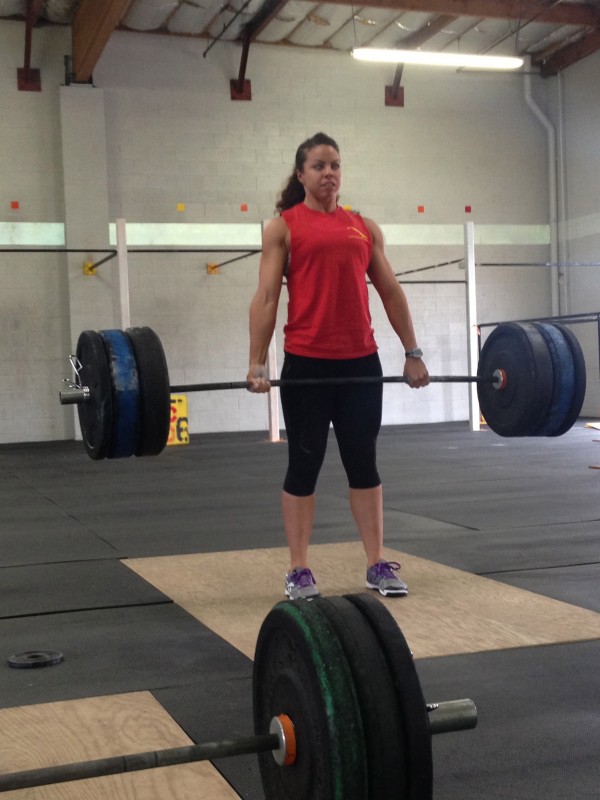
Back when I coached large group classes in San Diego, the bear complex was one of our favorite challenges. It’s still one of the most efficient ways I know to train strength and conditioning together. Here’s how to do it right.
What is the bear complex?
The bear complex links five barbell movements into one continuous rep:
- Power clean from the floor to the front rack
- Front squat
- Push press or push jerk overhead, then lower the bar to your back
- Back squat
- Behind-the-neck push press or jerk, then lower the bar to the front rack and back to the floor
There are many versions. For example, you can combine the clean and front squat into a squat clean, or power clean and then front squat. Either way, the bar returns to the floor before the next rep.
What are the rules of the bear complex?
- Stand fully before pressing. Reach a full standing position before each push press or jerk; no thrusters.
- Keep the momentum. The bar touches the floor between reps without stopping, with both hands in control.
- Don’t drop it. In our classes, every drop or rest on the floor earned a 10-burpee penalty.
- You may rest off the floor. Resting with the bar in the rack position or on your back is allowed.
How do you program a bear complex workout?
The classic format is 7 bear complexes in a row without resting, which counts as one round. Then rest between rounds and complete 5 to 7 rounds. If you’re training for strength, add 5 to 15 pounds each round and work up to your heaviest set in the final round.
Starting weights we used in class were:
| Level | Men | Women |
|---|---|---|
| Level 1 | 115 lb | 80 lb |
| Level 2 | 95 lb | 65 lb |
| Level 3 | 75 lb | 55 lb |
But if you’re new to the lifts, start with an empty bar (or even a PVC pipe) until every movement feels smooth.
How can you use the bear complex in your training?
- As a warm-up. Use a light weight to raise body temperature and groove your lifting patterns before a strength session. Keep it easy.
- On conditioning days. Use a moderate weight to build work capacity, general fitness and recovery.
- For strength. Add rounds with progressively heavier weights after your main lifts on full-body days.
What mobility do you need for the bear complex?
Because the bear complex strings together several technical lifts, your range of motion needs to be ready from the first rep. In particular, you need a comfortable front rack from wrists to shoulders, stable shoulders overhead, and knees that track over your toes in the squat. For a full mobility routine, read front rack mobility for barbell lifts.
How should you breathe and brace during a bear complex?
Because the bar never touches down for long, breathing is easy to forget. So take a big breath and brace your core before each lift, then exhale at the top of each squat and press. Also, use the brief pauses in the front rack and on your back to take a quick breath. Staying braced protects your lower back, especially in later rounds when fatigue sets in. For a deeper explanation, read breathing and bracing for strength training.
What are common bear complex mistakes?
- Going too heavy too soon. Form breaks down fast in later rounds.
- Turning presses into thrusters. Stand up fully first, then press.
- Losing the rack position. Elbows drop, and the bar pulls you forward in the front squat.
- Rushing the transition to the back. Lower the bar under control behind your head.
- Skipping the warm-up. Prepare your wrists, shoulders and hips first. See how to do a dynamic warm-up.
Is the bear complex right for you?
The bear complex is best for people who already clean, squat and press with good technique. If you’re newer, build each lift on its own first. Then practice the sequence with a light weight. In my private Bay Park / Morena studio, I coach the Olympic lifts one-on-one, so you can learn them safely. See also progressive overload and my rates. For weekly strength targets, the CDC recommends muscle-strengthening activity at least 2 days a week.
Want to learn the bear complex with a coach? Text Chris at (619) 840-9099 for a free consultation.
Frequently Asked Questions
Have a question that isn’t covered here? See the full personal training FAQ.
What muscles does the bear complex work?
The bear complex works nearly your whole body: legs and glutes in the squats and clean, the back and traps in the pull, and the shoulders, triceps and core in the presses. And since you never put the bar down, it also tests your grip and cardiovascular conditioning.
How heavy should a bear complex be?
Start light enough to finish every rep with good form, even in the last round. A good test is a weight you could power clean smoothly for 8 to 10 reps. Beginners should practice with an empty bar or PVC pipe first, then add weight gradually.
How many rounds is a bear complex workout?
A common format is 5 to 7 rounds of 7 bear complexes, resting between rounds. For strength, add a little weight each round. For conditioning, keep the weight moderate and the rest periods short.
Is the bear complex good for beginners?
Not at first. It combines several technical lifts, so beginners should learn the power clean, front squat, push press and back squat on their own before linking them. Then, once each lift is solid, a light bear complex is a great challenge.
Chris Keith has over 30 years of personal training in San Diego (since 1995) and was voted Best Personal Trainer by San Diego Magazine. He trains clients one-on-one at his private studio in Bay Park / Morena. Learn more about Chris or contact Chris to get started.