
Front rack mobility is the flexibility in your wrists, elbows, shoulders and upper back that lets you hold a barbell on the front of your shoulders with elbows high. You need it for cleans, front squats and complexes like the bear complex. Improve it with wrist, lat, triceps and thoracic spine drills, and prep your hips and ankles for the squat too.
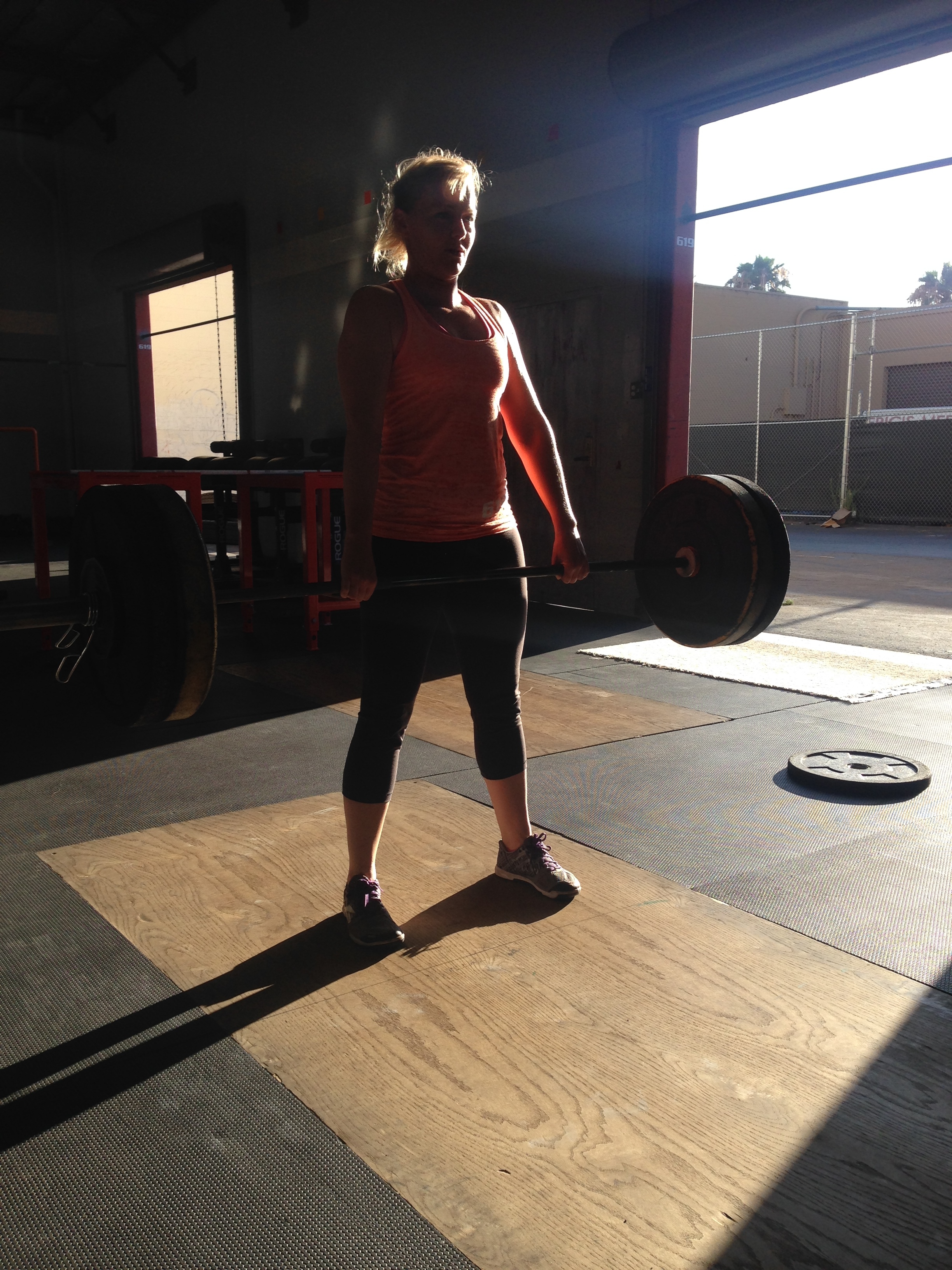
With technical barbell work, especially complexes that chain several lifts together, your mobility has to be ready from the very first rep. Years ago at my San Diego gym, we built our Monday bear complex days around exactly this kind of preparation. Here’s that approach, brought up to date.
Why does front rack mobility matter?
In a good front rack, the bar rests on your shoulders, your fingertips lightly hold it, and your elbows point forward and up. But tight wrists, lats, triceps or a stiff upper back make that position painful or impossible. As a result, the elbows drop, the bar pulls you forward in the squat, and your wrists take stress they shouldn’t. So better front rack mobility makes your cleans and front squats safer and stronger.
What are the 3 key mobility checkpoints?
- Front rack range. Full, comfortable range from the wrist up to the shoulder in the rack position.
- Overhead shoulder position. A stable, engaged shoulder with the arm fully extended at the top of a push press, with the rotator cuff doing its job.
- Knee tracking in the squat. Knees that track over the toes instead of caving inward, which usually points to hip, ankle or glute issues.
What drills improve front rack mobility?
- Wrist warm-up. On hands and knees, rock gently forward and back with palms flat, then with fingers pointing toward your knees. Do 10 to 15 slow reps each way.
- Lat stretch. Kneel in front of a bench, place your elbows on it with palms together, and sit your hips back. Hold 30 seconds.
- Triceps stretch. Raise one arm, bend the elbow and gently pull it behind your head with the other hand. Hold 30 seconds per side.
- Thoracic spine extension. Lie with a foam roller under your upper back and gently extend over it at a few spots. Do 5 to 8 breaths per spot.
- Front rack hold. With an empty bar in a rack, practice holding the front rack with elbows high for 20 to 30 seconds.
- Band shoulder distraction. Loop a light band high, hold it overhead and lean away gently to open the shoulder. Hold 30 seconds per side.
How do you prep your hips and knees for the squat?
If your knees cave in during squats, work on hip and ankle mobility and glute strength. For example, do deep goblet squat holds, ankle rocks against a wall, banded lateral walks and glute bridges. Then practice squatting with a slow, controlled descent while pushing your knees out over your toes.
How long should front rack mobility work take?
Before a lifting session, 8 to 12 minutes is usually enough. Pick three or four of the drills above, then finish with a few light sets of the lift itself. On off days, you can spend a little longer to make lasting progress. Consistency matters a lot more than intensity. In other words, a few minutes most days beats one long session a week. Also, test your front rack at the start of each week with an empty bar, so you can see your progress and adjust your drills.
How does front rack mobility help the bear complex?
The bear complex links a clean, front squat, push press, back squat and behind-the-neck push press. Every one of those positions needs good wrist, shoulder and hip mobility. Even though you add weight as the rounds go on, your range of motion needs to be ready from the first set. So warm up with the drills above, then ramp up with an empty bar. For the full workout, read how to do the bear complex.
Can a personal trainer help your front rack mobility in San Diego?
Yes. A coach can quickly tell whether your wrists, lats, triceps or upper back are the real limit, and give you the right drills. In my private Bay Park / Morena studio, I coach the Olympic lifts one-on-one and build mobility into every session. See also how to improve mobility, dynamic warm-ups and my rates. The CDC also recommends muscle-strengthening activity at least 2 days a week.
Want your front rack fixed for good? Text Chris at (619) 840-9099 for a free consultation.
Frequently Asked Questions
Have a question that isn’t covered here? See the full personal training FAQ.
Why does my front rack hurt my wrists?
Wrist pain in the front rack usually means your lats, triceps or upper back are tight, so the wrists bend too far to compensate. Loosen those areas, keep only your fingertips on the bar and lift your elbows. Wrist warm-ups before you lift help, too.
How can I improve front rack mobility fast?
Do lat and triceps stretches, thoracic spine extensions on a foam roller, and wrist warm-ups for 8 to 12 minutes before lifting, plus short sessions on off days. With consistent practice, most people notice a better front rack within a few weeks.
Do I need full front rack mobility to front squat?
You need enough to keep your elbows up and the bar on your shoulders without pain. Until then, you can use a cross-arm grip or straps, or do goblet squats, while you build front rack mobility.
Is front rack mobility important for beginners?
Yes, especially before learning cleans and front squats. That’s because building it early prevents wrist and elbow pain, and it makes the lifts much easier to learn with good technique.
Chris Keith has over 30 years of personal training in San Diego (since 1995) and was voted Best Personal Trainer by San Diego Magazine. He trains clients one-on-one at his private studio in Bay Park / Morena. Learn more about Chris or contact Chris to get started.