
The main wild salmon benefits are high-quality protein, heart-healthy omega-3 fats (EPA and DHA), and plenty of vitamin D, vitamin B12 and selenium. A 4-ounce serving of cooked wild salmon has roughly 25 to 30 grams of protein. Eating fish like salmon twice a week supports heart and brain health and helps muscles recover after training.
By A’verria Martin, Ph.D.
Welcome back to the Eating for Success series! Each week we highlight one of the nutrient-dense foods from the Chris Keith Phase II Maintenance Plan food list. For the next few weeks, we’re focusing on lean proteins.
Why lean protein is the first of the wild salmon benefits
First, lean proteins are essential to a healthy diet and to any muscle gain or weight loss program. Proteins are the body’s building blocks, supporting healthy bones, muscles, cartilage, skin and blood. After a workout, your muscles are rebuilt and repaired from the protein you eat. In addition, protein helps you feel full, which can reduce overeating and total daily calories.
5 wild salmon benefits
1. High-quality protein
Salmon is a nutrient-dense protein that’s easy to digest. For example, a 4-ounce cooked portion of wild salmon provides roughly 25 to 30 grams of complete protein to help repair and build muscle.
2. Omega-3 fats for your heart
Salmon is best known for its omega-3 fatty acids, EPA and DHA. In fact, these fats help lower triglycerides and support healthy blood vessels and heart rhythm. That’s why the American Heart Association recommends eating fish, especially fatty fish like salmon, about twice a week.
3. Brain and eye health
DHA is a major building block of the brain and the retina of the eye. As a result, diets rich in fatty fish are linked with better cognitive health as we age and may help lower the risk of age-related macular degeneration.
4. A top food source of vitamin D
Although few foods naturally contain much vitamin D, wild salmon is one of the best. Vitamin D helps your body absorb calcium for strong bones and supports muscle and immune function.
5. B vitamins and minerals
Salmon also provides vitamin B12, niacin, vitamin B6, selenium, phosphorus and potassium. Together, these nutrients support energy production, red blood cells, bone health and your immune system.
Wild salmon benefits vs. farmed salmon
We suggest choosing wild salmon when you can. Today, most salmon sold worldwide is farmed. Farmed salmon, however, is raised in pens and fed formulated pellets, so it’s usually higher in total fat and calories, and its fat profile depends heavily on its feed. Some studies have also found higher levels of certain contaminants in farmed salmon. Wild salmon, on the other hand, is leaner, with a nutrient profile shaped by its natural diet.
That said, both wild and farmed salmon are nutritious, and health agencies agree that the benefits of eating fish outweigh the risks for most people. So if wild salmon isn’t in your budget, farmed salmon is still a good choice. For the best quality, buy from a trusted local fish market, look for Alaska wild salmon, or buy frozen wild fillets, which are often more affordable.
Salmon recipes to enjoy wild salmon benefits
Healthy baked salmon and spinach
Ingredients: 6-ounce salmon fillet; cayenne pepper; ground black pepper; pinch of garlic powder; 2 Tbsp olive oil, divided; 1 lemon; 2 cloves garlic, minced; 1 bag baby spinach; fresh basil.
- Salmon: Preheat the oven to 375°F. Place the fillet on a baking sheet sprayed with olive oil cooking spray. Next, sprinkle with cayenne, pepper and garlic powder, then brush with 1 Tbsp olive oil and the juice of half the lemon. Top with a few slices from the remaining lemon half. Bake 12 to 15 minutes, until the salmon flakes easily and reaches 145°F.
- Spinach: Meanwhile, heat the remaining 1 Tbsp olive oil and the garlic in a large pan. Add the spinach and sauté for 2 minutes. Then add the remaining lemon juice and cook until the spinach is just wilted.
- Serve: Use a spatula to lift the salmon off its skin, place it on top of the spinach, and garnish with fresh basil.
Grilled salmon with mustard and herbs
Ingredients: 2 lemons, thinly sliced, plus 1 lemon cut into wedges; 20 to 30 sprigs mixed fresh herbs, plus 2 Tbsp chopped herbs; 1 clove garlic; 1/4 tsp salt; 1 Tbsp Dijon mustard; 1 lb center-cut salmon fillet, skinned.
- To skin the fillet: Place it skin-side down. Starting at the tail end, slip a long knife between the flesh and the skin, and hold the skin firmly with your other hand. Gently push the blade along at a 30° angle to separate them.
- Preheat the grill to medium-high. Stack two 9-inch pieces of heavy-duty foil on a baking sheet and arrange the lemon slices in two layers in the center. Then spread the herb sprigs over the lemons.
- With the side of a chef’s knife, mash the garlic with the salt into a paste. Stir in the mustard and chopped herbs, spread the mixture over both sides of the salmon, and place it on the herb sprigs.
- Slide the foil and salmon onto the grill. Finally, cover and cook until the salmon is opaque in the center, about 18 to 24 minutes. Cut into 4 portions and serve with lemon wedges.
Get more wild salmon benefits each week
- Aim for two servings of fatty fish a week, such as salmon, sardines, trout or mackerel.
- Also, cook extra salmon for salads, grain bowls or wraps the next day.
- Finally, keep canned wild salmon on hand for quick salmon patties or salads.
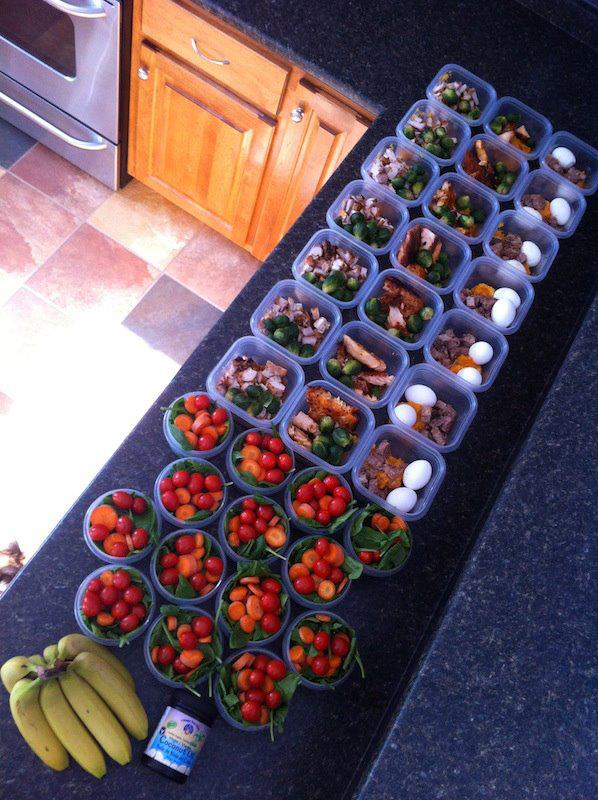
For more planning ideas, see Chris’s meal prep tips and the rest of the Eating for Success series. Want a nutrition and training plan built for you? Text Chris at (619) 840-9099 for a free consultation at his private studio in Bay Park / Morena, San Diego.
This post was written by A’verria Martin, Ph.D. for the Eating for Success series and updated in 2026 by the Chris Keith Personal Training team with current nutrition information. Chris Keith has coached clients in San Diego for over 30 years. Contact Chris to get started.
Frequently Asked Questions
Have a question that isn’t covered here? See the full personal training FAQ.
Is wild salmon healthier than farmed salmon?
Wild salmon is usually leaner and lower in calories, and some studies have found fewer contaminants in it. Farmed salmon is still nutritious and rich in omega-3s. For most people, eating either kind twice a week is a healthy choice.
How much salmon should I eat per week?
The American Heart Association recommends about two servings of fish a week, especially fatty fish like salmon. A serving is about 3.5 ounces cooked, or roughly the size of a deck of cards.
How much protein is in salmon?
A 4-ounce serving of cooked wild salmon provides roughly 25 to 30 grams of protein, depending on the species. Salmon’s protein is complete, meaning it contains all the essential amino acids.
What temperature should salmon be cooked to?
The USDA recommends cooking fish to an internal temperature of 145°F, when the flesh is opaque and flakes easily with a fork. Many people prefer salmon slightly less done, but 145°F is the food safety guideline.