
The clients who get the most from working with a personal trainer share five habits: commitment, clear communication, a willingness to learn, personal accountability and a positive attitude. A great trainer brings the plan and the coaching. But your habits decide how far that plan takes you, in the studio and out of it.
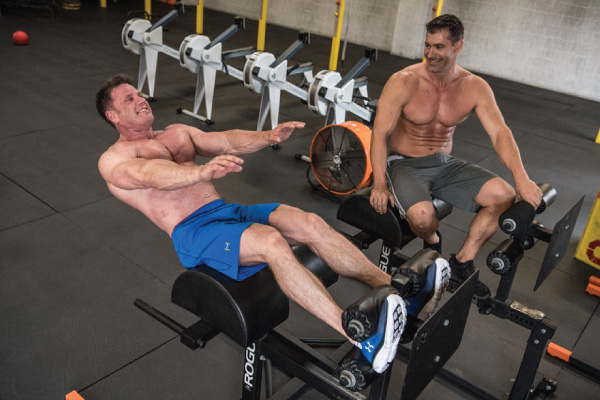
Like any professional relationship, success with a trainer takes two people. A great trainer gives you guidance, support and motivation. Still, a great client plays just as big a role. After more than 30 years of personal training in San Diego, these are the qualities I see in the clients who get the best results.
Why does the client matter when working with a personal trainer?
You spend a few hours a week with your trainer, but more than 160 hours a week on your own. That’s why what you do between sessions, and how you show up to them, shapes your results as much as the program does. In other words, it’s a partnership.
1. Commitment
First, great clients are committed to their goals and willing to put in the work. In practice, that means showing up for every scheduled session, following the nutrition and exercise plan, and staying focused even when progress feels slow. Commitment also means planning ahead. For example, book sessions around travel so your routine doesn’t disappear.
2. Communication with your trainer
Good communication is the foundation of working with a personal trainer. So tell your trainer clearly what you need, what worries you and what you’re after. Just as important, give feedback on how the program feels. For instance, speak up when something hurts, when an exercise feels too easy, or when life gets stressful. That’s how they know to adjust your plan.
3. Willingness to learn
Next, the best clients stay open to new ideas. For example, they’ll try new exercises and techniques, and they’ll change their routine when their trainer suggests it. That way, they build skills they can use for life, not just a list of workouts.
4. Accountability
On top of that, great clients take ownership of their fitness. That’s why they’re honest about their progress, stick to their training and nutrition plans, and take responsibility for setbacks instead of making excuses. Of course, everyone has off weeks. The difference is owning them and getting back on track fast.
5. A positive attitude
Finally, great clients show up with enthusiasm and a willingness to work hard. A positive attitude keeps you going when progress is slow or setbacks happen. Plus, it makes every session more productive and a lot more fun.
What does your trainer bring to the partnership?
Of course, a partnership works both ways. You bring the commitment and effort. In return, a good trainer brings the know-how, structure and care that turn that effort into results. Here’s what you should expect from your trainer:
- A clear plan. First, your trainer should set goals with you and explain how each phase of the program gets you there.
- Safe, progressive coaching. Next, they should teach technique before load and increase difficulty in small steps.
- Honest feedback. Also, they should tell you what’s working and what isn’t, kindly but directly.
- Adjustments when life happens. For example, if you’re traveling, injured or stressed, the plan should adapt instead of stopping.
- Respect for your time. Finally, sessions should start on time and stay focused on you.
So when both sides show up like this, working with a personal trainer becomes one of the best investments you can make in your health. In fact, it’s that combination, a great trainer plus a great client, that produces the biggest transformations I’ve seen over the years.
How do you get the best results working with a personal trainer?
Beyond these five habits, a few extra traits make a big difference: consistency, patience, adaptability, trust and self-awareness. Here are simple ways to put them into practice:
- Show up rested and fueled. Sleep and a light snack before your session help you train harder.
- Do your homework. Complete the walks, mobility or workouts your trainer assigns between sessions.
- Track your progress. A simple journal keeps you honest and motivated.
- Ask questions. Understanding why you do each exercise helps you do it better.
- Be patient. Real change usually shows up over months, not days.
- Celebrate small wins. A heavier lift, a better night’s sleep or a looser pair of jeans all count, and noticing them keeps you motivated for the long haul.
Bring these qualities and there’s nothing stopping you from getting the most out of your training, building healthy habits and getting great results. To go further, check out Your Body Type Revealed for insights matched to your physique.
What should you expect from your side of working with a personal trainer in San Diego?
Expect to be challenged, but never pushed into pain or bad form. Also expect a program that changes as you improve, honest feedback, and a trainer who respects your time. In my private Bay Park / Morena studio, every session is one-on-one, so the focus stays completely on you. You can learn more about the Chris Keith Method, check my rates, or read about choosing a personal trainer in San Diego. For activity targets, the CDC’s adult guidelines are a good benchmark.
What else helps you reach your fitness goals?
Define clear, specific goals
One of the first mistakes people make is being too vague. “Get healthy,” “get fit” and “lose weight” sound great, but what do they mean for you? Also, how much weight, and by when? For example, “I will lose 10 pounds by June 1” states your exact intention.
Next, break the big goal into smaller, time-limited chunks. Each time you hit a small goal, you’ll feel proud and motivated. As a result, the year becomes a series of wins instead of one overwhelming target.
Track your progress in a fitness and food journal
Tracking helps you see progress in black and white. It shows what works, keeps you accountable and builds confidence. Your journal can be a notebook, an app or a spreadsheet, so choose whatever you’ll actually use. For instance, track reps and weights, workout time, water, sleep, body weight and food.
Plus, you’ll be surprised what you learn just by writing down what you eat. Then take it one step further and note your mood and energy. Over time, you’ll see how sleep, exercise and food affect how you feel. For more ideas, read 6 benefits of an exercise journal.
Persevere and don’t give up
Finally, this is the biggest mistake people make with resolutions: they quit. Building healthy habits is a process, and you won’t do it perfectly. If you skip a workout or eat a donut, don’t call it quits. Instead, acknowledge it and move on.
Beating yourself up only makes things worse. After all, if guilt worked, we’d all be in great shape. Besides, plateaus and slow weeks happen to everyone. The only way to truly fail is to stop.
Ready to be one of those clients? Text Chris at (619) 840-9099 for a free consultation.
Frequently Asked Questions
Have a question that isn’t covered here? See the full personal training FAQ.
How do I get the most out of working with a personal trainer?
Show up consistently, communicate openly about how you feel, follow the plan between sessions, and track your progress. Ask why you’re doing each exercise and be honest about setbacks. Those habits let your trainer adjust your program and help you progress faster.
What should I tell my personal trainer before starting?
Share your goals, health history, past injuries, current activity level, schedule and any exercises you dislike or enjoy. Also mention stress, sleep and eating habits. The more your trainer knows, the safer and more effective your program will be.
How long before I see results working with a personal trainer?
Most people feel stronger and more energetic within a few weeks. Visible changes in strength and body composition usually take two to three months of consistent training and nutrition. Your habits between sessions have a big effect on how quickly results appear.
What makes a good personal training client?
Good clients are committed, communicate clearly, stay open to learning, take ownership of their progress and bring a positive attitude. Those five habits make working with a personal trainer more productive and lead to better, longer-lasting results.
How can I reach my fitness goals faster?
Set a specific, time-bound goal, break it into smaller milestones, and train consistently at least three to five days a week. Pair strength training with sensible nutrition and enough sleep. Working with a qualified trainer adds accountability and a plan built for your body, which usually speeds up results.
Why do most people fail to reach their fitness goals?
Most people set goals that are too vague, try to change everything at once, or quit after a setback. Specific targets, small daily habits and a plan for bad weeks make it far more likely you’ll reach your fitness goals and keep them.
Chris Keith has over 30 years of personal training in San Diego (since 1995) and was voted Best Personal Trainer by San Diego Magazine. He trains clients one-on-one at his private studio in Bay Park / Morena. Learn more about Chris or contact Chris to get started.