
An exercise journal is a simple log of your workouts, and it’s one of the most effective tools for getting better results. By recording exercises, weights, reps, time and how you felt, you can track progress, stay consistent, spot plateaus early and plan smarter training. A notebook, app or spreadsheet all work.
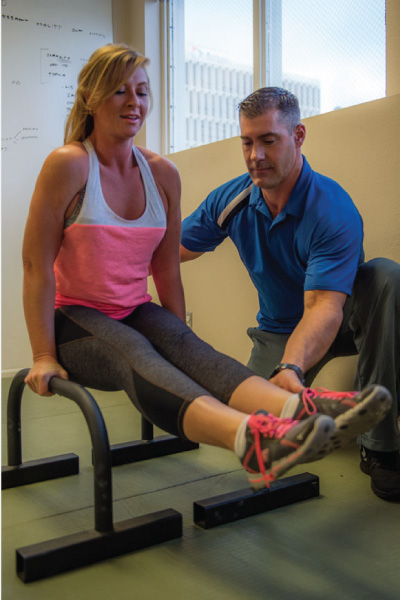
Whether you’re a longtime fitness fan who never misses a workout or you’re just getting started, anything that gives you an edge is welcome. You might invest in equipment or personal training, read fitness blogs, and follow a careful plan. All of that is great. But if you really want to improve and understand your own body, an exercise journal belongs in your routine. In more than 30 years as a personal trainer in San Diego, I’ve watched clients who log their training progress faster and stay motivated longer.
6 benefits of an exercise journal
1. Track your progress
It doesn’t matter what kind of exercise you do or how long you’ve been doing it. Walking, swimming, yoga, lifting, cardio: track it. When you work out consistently, sessions blur together, and it’s easy to forget what you did last Wednesday.
Tracking also shows when you’ve stopped progressing. Sometimes a routine starts to feel easy, and you can coast for months without realizing you’re no longer improving. Your journal makes that obvious, so you know when it’s time to increase the challenge. That’s the heart of progressive overload.
2. Stay goal-oriented and consistent
Writing down your goals is an important part of reaching them. When you commit to a goal by a certain date, it’s easy to procrastinate and think you’ll make it up tomorrow. However, a journal shows in black and white whether your effort matches your goal. Blank pages are a clear signal to recommit. So keep your goals at the front of your journal, along with the steps to reach them, and review them each time you log a workout.
3. Feel accomplished
Exercise is rewarding, but it can also be discouraging when you’re tired, busy or bored. Flipping back through your journal shows how far you’ve come. You’ll see the weights you lifted six months ago, the distance you could walk or run, and how much stronger and fitter you are now. Some people also add progress photos. That record can give you the boost you need when motivation dips.
4. Keep on schedule
A successful routine depends on consistency. When you plan your week’s workouts in your journal, training becomes part of your normal schedule, not an afterthought. As a result, it’s much easier to stay disciplined.
5. Plan your training in phases
If you’re training for an event, like a race, a hike or a sport season, it helps to plan in cycles. This approach is called periodization. For example, you might plan a year-long goal, broken into three-month blocks, then monthly and weekly plans, down to individual workouts. It doesn’t have to be complicated, just thorough. Your journal is where you create, track and adjust those plans.
6. Get better results over time
The most important reason to keep a journal is results. Logging your training builds habits that support long-term progress and gives you a positive feedback loop. Also, you learn what works for your body and what doesn’t, so you stop wasting time on things that don’t move you forward.
What to record in your exercise journal
- Exercises, sets, reps and weights for strength training
- Time, distance and effort for cardio (for instance, a 1 to 10 effort scale)
- How you felt: energy, soreness, mood and any pain
- Sleep, stress and nutrition that may have affected your session
- Conditions: time of day, heat, illness or injury
- Wins: personal records, new skills or simply showing up on a tough day
Over time, patterns appear. For example, you may notice you lift more in the morning, or that poor sleep drags down your performance.
How to start an exercise journal
- Pick a format. A paper notebook, a notes app, a spreadsheet or a fitness app all work. Choose the one you’ll actually use.
- Keep it simple. Start by logging the date, exercises and weights or time. Add details later.
- Log right away. Record during or right after your workout while details are fresh.
- Review weekly. Spend five minutes each week looking at trends and planning the next week.
For a bigger-picture plan, pair your journal with my month-by-month fitness resolutions guide. If you’re restarting after a break, read about getting back into exercise.
Personal training with progress tracking in San Diego
A good trainer keeps a record of your sessions, so you always know where you started and what comes next. In my private studio in Bay Park, every one-on-one program follows the Chris Keith Method. The CDC also offers helpful physical activity guidelines for adults to set your weekly targets.
Want a coach who tracks your progress with you? Text Chris at (619) 840-9099 for a free consultation.
Frequently Asked Questions
Have a question that isn’t covered here? See the full personal training FAQ.
What should I write in a workout journal?
Record the date, exercises, sets, reps and weights for strength work, and time, distance and effort for cardio. Add notes on energy, soreness, sleep and anything that affected the session, plus any personal records.
Is it better to use an app or a notebook for an exercise journal?
Either works. Apps are quick and can graph your progress, while a notebook is simple and distraction-free. The best option is the one you’ll use consistently after every workout.
How does an exercise journal help with weight loss?
Tracking workouts, and often food, increases awareness and accountability. It shows whether you’re training as consistently as you planned and helps you spot habits that support or slow your progress.
How often should I review my workout log?
Review it weekly to plan the next week, and do a bigger review every 4 to 6 weeks to check progress toward your goals and decide whether to increase weights, reps or intensity.
Chris Keith has over 30 years of personal training in San Diego (since 1995) and was voted Best Personal Trainer by San Diego Magazine. He trains clients one-on-one at his private studio in Bay Park. Learn more about Chris or contact Chris to get started.