For most healthy pregnancies, exercise during pregnancy is safe and beneficial once your doctor gives the go-ahead. It can boost your mood and energy, help you stay strong and may help prepare your body for labor. The keys are to warm up, avoid overheating and fall risks, stay hydrated, skip lying flat after the first trimester and listen to your body.
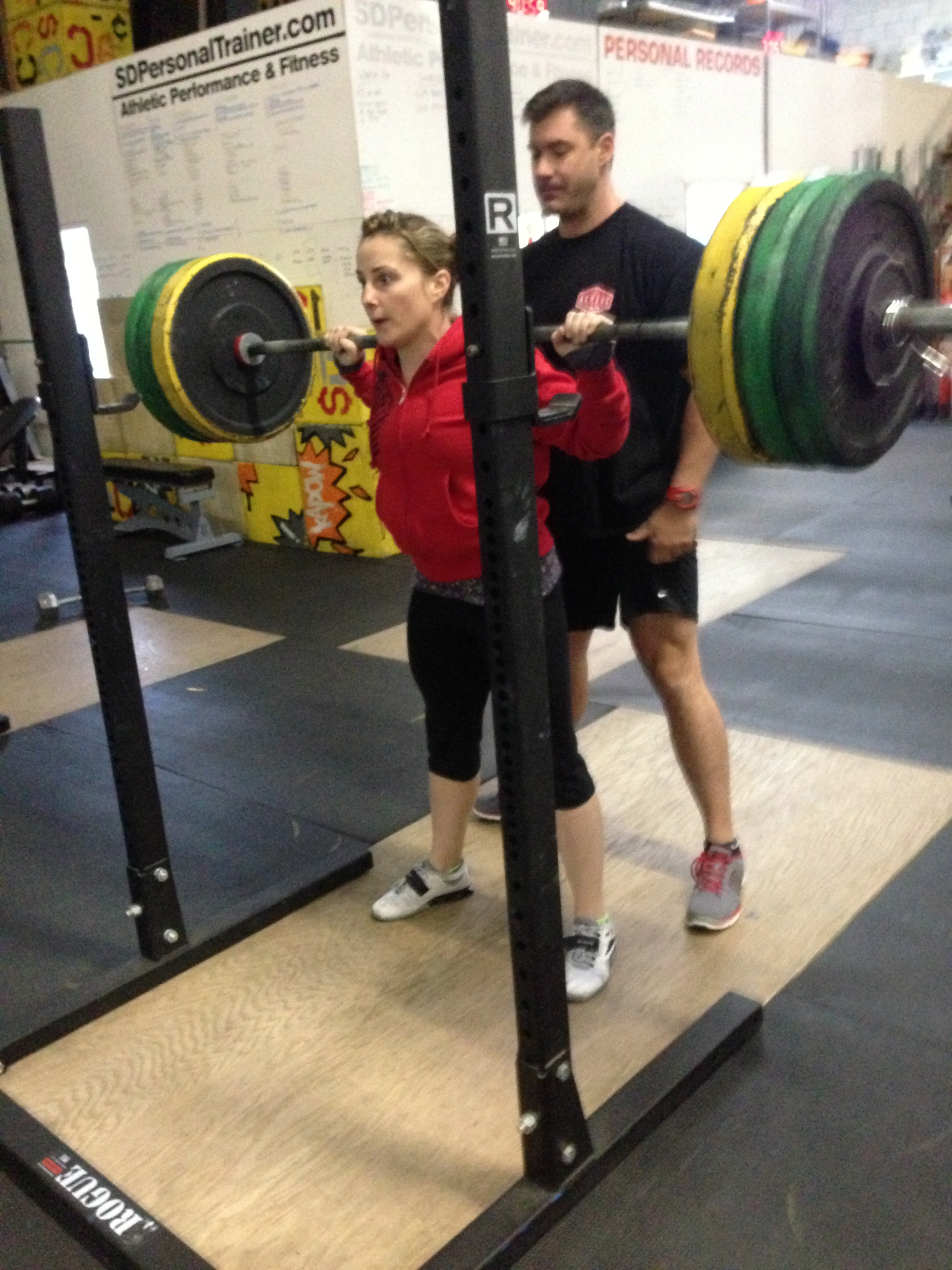
Years ago, a woman joined my gym and found out a few days later that she was pregnant. She asked if she should cancel her membership. The short answer, with her doctor’s approval, was no. Maybe you’re an athlete who wants to keep your fitness, or maybe you just want to stay healthy and active. Either way, these guidelines help keep you and your baby safe. Coaches who train pregnant clients can use them too.
What are the benefits of exercise during pregnancy?
Regular, moderate activity can improve your mood, energy and sleep. It can also help you stay strong for the physical demands of pregnancy and parenting, and help you manage healthy weight gain. Plus, many women find it helps them feel more ready for labor and recover more easily afterward.
12 safe tips for exercise during pregnancy
1. Talk to your doctor first
Before you start or continue a routine, talk with your doctor about the right options for you. If you exercised regularly before pregnancy and your pregnancy is uncomplicated, you’ll usually be cleared to keep going with modifications. However, some conditions make exercise unsafe, so get that confirmation first.
2. Fuel for two
Pregnancy and exercise both raise your energy needs, especially in the second and third trimesters. Your doctor will guide how much weight to gain based on your starting weight and will help you stay on track with food and activity.
3. Avoid fall and impact risks
Skip activities with a high risk of falls or blows to the belly, like horseback riding, downhill skiing, contact sports and outdoor cycling later in pregnancy. Instead, stationary and recumbent bikes are great options. Also, the hormone relaxin loosens your ligaments during pregnancy, which can make sprains more likely, even in experienced athletes.
4. Dress for comfort and support
Wear loose, breathable layers and peel them off as you warm up. Make sure your sports bra and shoes fit and support you. And if your feet swell or change size, get new sneakers.
5. Always warm up
Get your muscles and joints ready and raise your heart rate gradually. Skip the warm-up, and strains and soreness become more likely. See how to do a dynamic warm-up.
6. Hydrate before, during and after
Dehydration can raise your body temperature and may trigger contractions. A simple guideline is about a cup of water every 20 minutes of exercise, plus steady drinking through the day.
7. Don’t lie flat on your back after the first trimester
Lying flat can press on the vena cava, a major vein, which reduces blood flow and may make you dizzy or nauseated. Instead, use an incline bench or place a wedge or pillow under one hip.
8. Keep changing positions
Standing still for long periods can let blood pool in your legs and make you lightheaded. So keep moving, switch exercises and walk around between sets.
9. Use the talk test
A good rule: if you can’t comfortably hold a conversation, slow down. Stay in tune with your body. You should feel like you’re maintaining and working your body, not punishing it.
10. Don’t get too hot
Overheating is a particular concern early in pregnancy. Because your blood flow and metabolism go up, you’ll heat up faster than usual. So watch for heavy sweating, dizziness, feeling too warm or short of breath. If that happens, stop, take off layers, move somewhere cool and hydrate. On hot San Diego days, train indoors or early in the morning.
11. Get up slowly
As your belly grows, your center of gravity shifts, and balance gets trickier. So get up from the floor slowly and use support when you need it.
12. Cool down and stay consistent
Finish every session with a gentle cool-down and some pregnancy-friendly stretches. Then aim for a regular routine instead of random bursts. Many obstetricians suggest about 30 minutes of moderate activity on most days of the week, as long as your doctor approves.
When should you stop exercising during pregnancy?
Stop and contact your doctor right away if you have vaginal bleeding or fluid leaking, chest pain, dizziness or fainting, regular painful contractions, calf pain or swelling, a headache that won’t go away, or shortness of breath before you start exercising. These signs need medical attention.
Can a personal trainer help with exercise during pregnancy in San Diego?
Yes, with your doctor’s clearance. An experienced trainer can adjust exercises trimester by trimester, keep the intensity right and help you stay strong for birth and recovery. In my private Bay Park / Morena studio, programs are built around your body and your doctor’s guidance. See my rates, and for general activity targets, the CDC’s adult activity guidelines.
This article is for general education and isn’t medical advice. Always follow your doctor’s guidance during pregnancy.
Want a safe, pregnancy-friendly plan? Text Chris at (619) 840-9099 for a free consultation.
Frequently Asked Questions
Have a question that isn’t covered here? See the full personal training FAQ.
Is exercise during pregnancy safe?
For most healthy, uncomplicated pregnancies, moderate exercise during pregnancy is considered safe and beneficial once your doctor approves it. Some conditions make exercise unsafe, so always check with your healthcare provider before starting or continuing a routine.
What exercises should I avoid while pregnant?
Avoid activities with a high risk of falls or impact to the belly, like contact sports, horseback riding and downhill skiing. Also avoid lying flat on your back after the first trimester and exercising in very hot conditions. Your doctor may advise other limits.
Can I lift weights while pregnant?
Many women can continue strength training during pregnancy with their doctor’s approval, using lighter loads, controlled movements and positions that avoid lying flat on the back later in pregnancy. Stop any exercise that causes pain or discomfort.
How much should I exercise during pregnancy?
Many obstetricians suggest about 30 minutes of moderate activity on most days of the week, or roughly 150 minutes a week, if your pregnancy is healthy and your doctor agrees. Use the talk test to keep the intensity moderate.
Chris Keith has over 30 years of personal training in San Diego (since 1995) and was voted Best Personal Trainer by San Diego Magazine. He trains clients one-on-one at his private studio in Bay Park / Morena. Learn more about Chris or contact Chris to get started.