
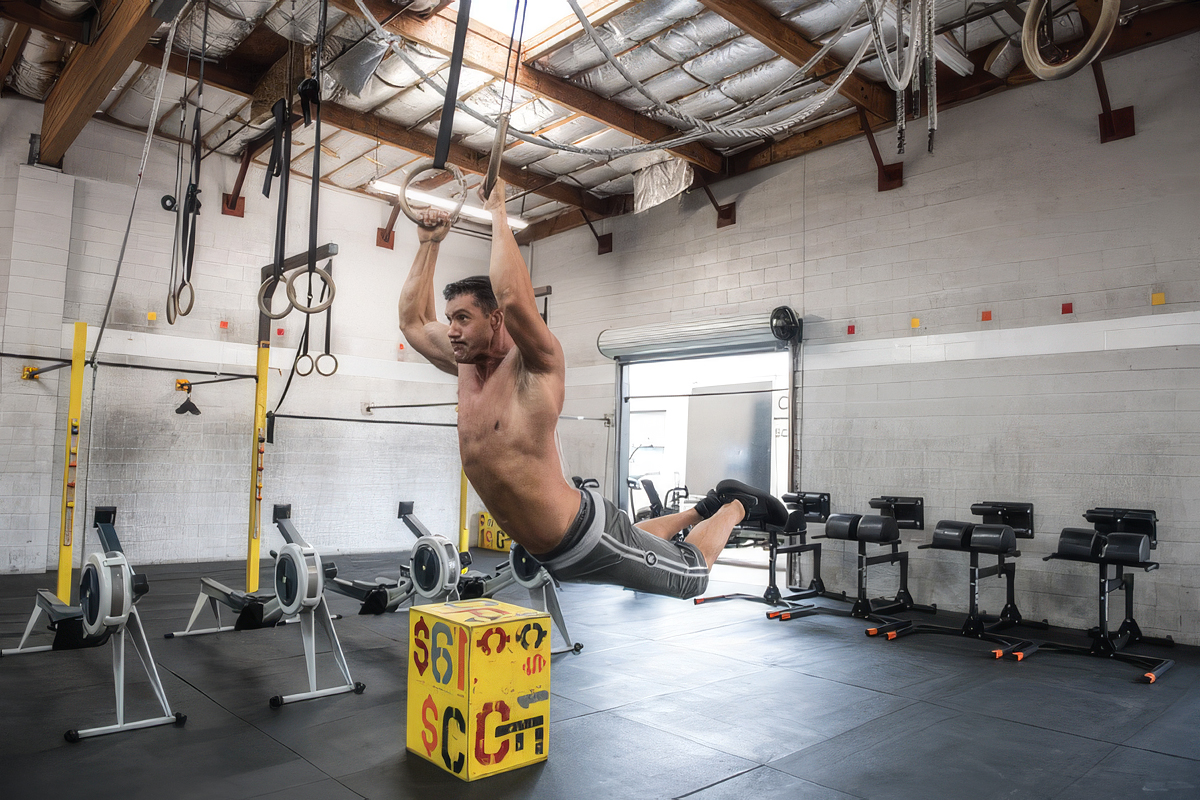
Yes, weight lifting is safe for teens when it’s supervised, technique comes first, and the load goes up gradually. In fact, the major health and strength organizations agree that well-designed programs carry a low injury risk. But the real danger comes from unsupervised lifting, sloppy form, max-out attempts, and doing too much too soon.
For context, Chris Keith has over 30 years of personal training in San Diego and coaches teens 13 and up 1-on-1 through his personal training for teens program.
Is weight lifting safe for teens, according to the experts?
Short answer: yes. In fact, the National Strength and Conditioning Association (NSCA) concluded in its position statement on youth resistance training that a properly designed and supervised program is relatively safe for young people. On top of that, the NSCA notes that injuries in supervised programs are rare in the research.
Similarly, the Mayo Clinic also says strength training can be safe and beneficial for kids and teens, as long as it’s done right. Of course, “done right” is the key phrase. That’s why the rest of this article focuses on what that actually means for your son or daughter.
The American Academy of Pediatrics has also published guidance on resistance training for children that puts proper technique and supervision above everything else. So the real question isn’t whether teens should lift. It’s how they lift.
Does lifting weights stunt growth or damage growth plates?
Parents bring this myth up all the time. But according to the NSCA, there’s no evidence that resistance training harms growth or maturation during childhood and adolescence. In other words, a sensible strength program won’t make your teen shorter.
Still, growth plates deserve respect. Mayo Clinic explains that growth plates are areas of developing cartilage that haven’t hardened into bone yet. So heavy lifting or poor form can put them at risk, and that’s exactly why supervision and technique matter so much.
Now, keep some perspective here. For instance, the NSCA points out that sports like football, basketball, and soccer account for a far bigger share of youth sports injuries than resistance training does. In fact, plenty of San Diego high school and club athletes lift specifically to hold up better in those sports.
What are the real risks of weight lifting for teenagers?
Most of the time, the barbell isn’t the problem. Instead, according to the NSCA, most injuries trace back to a handful of mistakes you can avoid:
- No supervision: First, teens who train alone or with friends often have nobody to correct their form or spot heavy sets.
- Poor technique: Next, rounded backs, collapsing knees, and bouncing reps put stress where it doesn’t belong.
- Max-out lifts: Also, testing one-rep maxes to impress teammates is a common way teens get hurt.
- Too much, too soon: Plus, jumping in weight or volume every week gives the body no time to adapt.
- Unsafe equipment access: Finally, the NSCA also lists misuse of equipment and easy, unsupervised access to it as risk factors.
Now notice: every item on that list is something a qualified coach controls. That’s why the “who” behind your teen’s program matters as much as the “what.”
What makes weight lifting safe for teens?
Safe programs usually have a few things in common. Here’s a quick look at what the NSCA, Mayo Clinic, and Nemours KidsHealth recommend:
| Factor | What the guidance says |
|---|---|
| Supervision | A qualified adult should oversee training; the NSCA recommends certified professionals. |
| Frequency | 2 to 3 sessions per week on nonconsecutive days (NSCA); at least a day off between sessions (KidsHealth). |
| Sets and reps | 1 to 3 sets of 6 to 15 reps (NSCA); beginners can start with 1 to 2 sets of 8 to 12 reps (KidsHealth). |
| Load | If a teen can’t complete about 10 good reps, the weight is too heavy (Mayo Clinic). |
| Progression | Increase resistance gradually, by about 5 to 10 percent as strength improves (NSCA). |
| Warm-up | 5 to 10 minutes of dynamic activity before lifting (NSCA). |
Beyond the numbers, technique always comes before load. For example, in Chris’s Bay Park / Morena studio, weight only goes on once form is solid, and every session is 1-on-1. Plus, most teens do well with about 2 sessions a week, planned around their sport season. If you want the reasoning behind slow, steady increases, read more about gradual progressive overload.
Rest and sleep are part of the program too. After all, muscles adapt between sessions, not during them. Teens also need to eat enough to fuel their sport, get protein from regular meals, and stay hydrated. For individual nutrition advice, though, a doctor or registered dietitian is the right call.
Text Chris at (619) 840-9099 for a free consultation.
What warning signs mean a teen should stop lifting?
Pushing through pain isn’t toughness, and teens need to learn that. In fact, Nemours KidsHealth advises teens to stop right away if something doesn’t feel right, if they feel pain, or if they hear or feel a “pop” during a workout.
At home, watch for these signs too:
- First, joint pain (knees, shoulders, lower back) that lingers into the next day.
- Also, sharp or localized pain rather than normal, general muscle soreness.
- Next, swelling, limping, or favoring one side.
- Plus, ongoing fatigue, poor sleep, or dropping performance in their sport.
- Finally, dizziness, chest pain, or unusual shortness of breath.
The AAP also recommends that any sign of illness, injury, or overuse get evaluated before a young athlete goes back to exercising. When in doubt, check with the doctor first.
How can parents evaluate a teen strength program or coach?
In the end, you’re the one deciding who trains your teen. So before you sign up, ask a few direct questions:
- Credentials: First, is the coach certified, and do they have real experience with teens?
- Supervision: Next, will someone be watching every rep, or is your teen one of 20 kids in a crowded weight room?
- Teaching plan: Also, how do they teach technique, and when do they add weight?
- Progression: And is the plan gradual, or does it jump into max testing right away?
- Sport awareness: Plus, does the program adjust for in-season games and off-season building?
- Communication: Finally, will the coach keep you informed and welcome your questions?
For a longer checklist, see these questions to ask a personal trainer. As for Chris, he’s NASM certified and a USA Weightlifting Sports Performance Coach, and parents are welcome at the free consultation.
When should a teen see a doctor before lifting weights?
Ideally, every teen sees their doctor for a check-up before starting a strength program. KidsHealth recommends a doctor visit first to make sure lifting is safe. The AAP also notes that children with uncontrolled high blood pressure, uncontrolled seizure disorders, certain heart conditions, or a history of chemotherapy should talk with a medical professional before resistance training.
If your teen is coming back from a sports injury, they need clearance from their doctor or physical therapist before returning to the weight room. After that, a coach can build on the rehab work; learn more about strength training after physical therapy.
Bottom line: is weight lifting safe for teens?
So here’s where the evidence lands. Weight lifting is safe for teens as long as the program is supervised, technique-first, gradual, and balanced with rest. That way, many teens build strength and confidence, plus better protection for their knees, ankles, and shoulders in their sport.
To get started, explore Chris’s teen personal training in San Diego or reach out through the contact page. Text Chris at (619) 840-9099 for a free consultation.
Chris Keith has over 30 years of personal training in San Diego (since 1995) and was voted Best Personal Trainer by San Diego Magazine. He trains teens 13 and up 1-on-1 at his private Bay Park / Morena studio.
Frequently Asked Questions
Is weight lifting safe for teens who have never trained before?
Yes, beginners can lift safely when a qualified coach supervises them and starts with technique before adding weight. First, teens learn basic movement patterns with light loads or body weight. Then the coach adds resistance gradually while form stays solid. Also, a check-up with the teen’s doctor before starting is a smart first step for every new lifter.
What age can a teen start lifting weights with a personal trainer?
Chris Keith trains teens ages 13 and up at his private Bay Park / Morena studio in San Diego. For clients under 18, a parent or guardian signs the waiver. Parents are welcome at the free consultation, but they don't need to attend every session. Each session is 1-on-1, so the coach can watch every rep and keep progress gradual.
How often should a teenager lift weights?
Most guidance recommends two to three sessions per week on nonconsecutive days, which gives muscles time to recover. In practice, most teens Chris trains do well with about two sessions a week, planned around their sport season. Just as important, teens need solid sleep, regular meals, and hydration so their bodies can recover and adapt between workouts.
Should teens do one-rep max lifts?
Max-out attempts are one of the most common ways teens get hurt, especially without supervision or solid technique. Instead, stick with controlled sets of moderate reps, with the weight going up gradually over time. That way, teens still build real strength while keeping the risk low. A qualified coach can decide if and when heavier testing makes sense.
Can weight training help my teen in their sport?
Yes, a well-planned strength program can support sports performance by building strength, speed, power, and agility. It can also help prepare the knees, ankles, and shoulders for the demands of practice and games. For San Diego high school and club athletes, the plan should shift between in-season maintenance and off-season building so training supports the sport.