
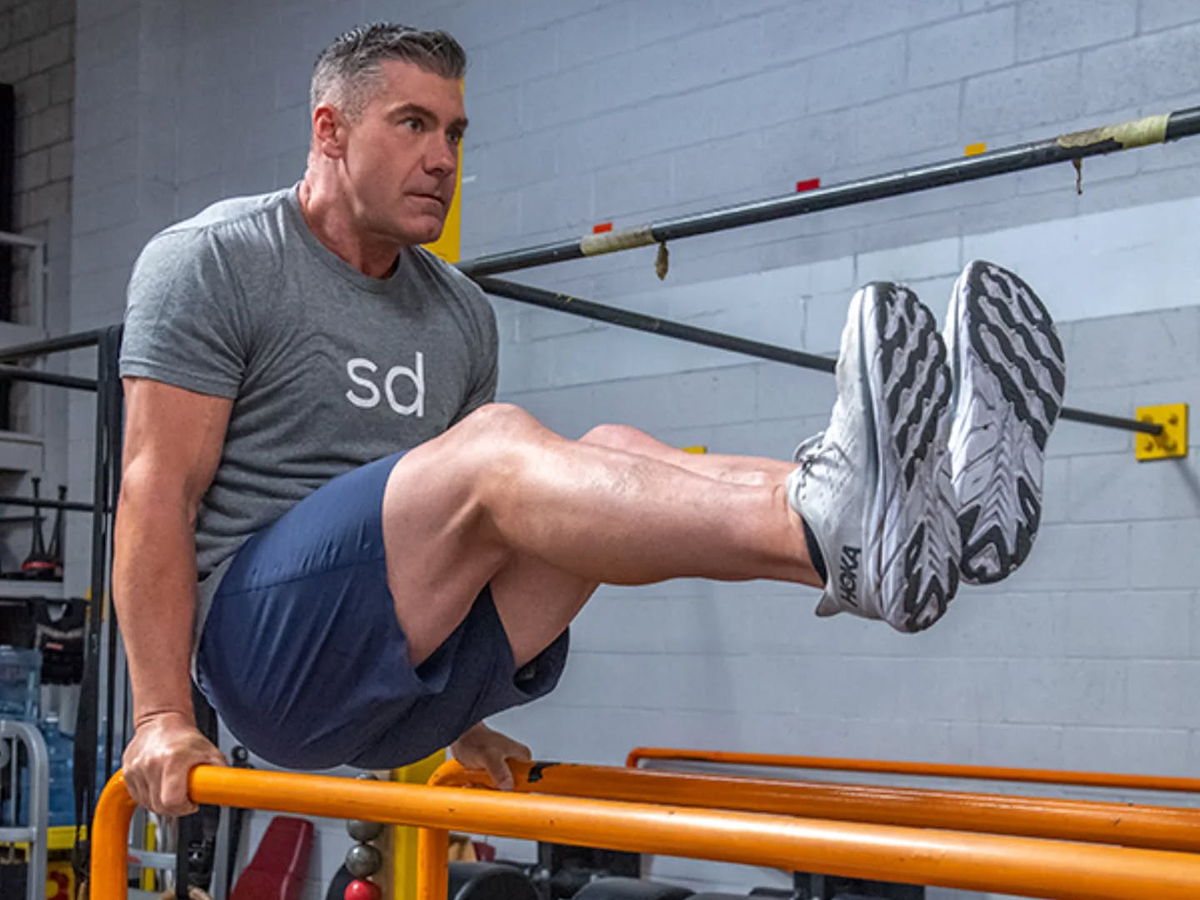
To keep muscle on a GLP-1, research points to two habits that work together: regular strength training and enough protein. In fact, a 2025 joint medical advisory recommends strength training at least 3 times a week plus 150 minutes of moderate aerobic activity. That way, more of the weight you lose can come from fat instead of muscle.
Chris Keith brings over 30 years of personal training in San Diego to 1-on-1 strength coaching for adults of every age, including many weight-loss clients.
How much muscle do people lose on a GLP-1 medication?
First, some context. In the STEP 1 trial, 1,961 adults took semaglutide or placebo for 68 weeks alongside a lifestyle program, according to the study in the New England Journal of Medicine. On average, the semaglutide group lost 14.9% of body weight, compared with 2.4% on placebo.
But not all of that weight was fat. In fact, the 2025 joint advisory on nutritional priorities for GLP-1 therapy reports that in STEP 1’s body-scan group, 8.3 kg (62%) of the average 13.6 kg loss was fat mass. Meanwhile, 5.3 kg (38%) was lean body mass, which includes muscle and other non-fat tissue. And since muscle is roughly half of lean mass, the advisory estimates about 20% of the total weight lost was muscle.
What did the SURMOUNT trial show about lean mass?
Similarly, a SURMOUNT-1 body-composition substudy scanned 160 of the trial’s 2,539 participants at the start and after 72 weeks. With tirzepatide, body weight dropped 21.3%, fat mass dropped 33.9%, and lean mass dropped 10.9%. By comparison, the placebo group lost 5.3%, 8.2% and 2.6%, respectively.
In other words, about 75% of the weight lost was fat and about 25% was lean mass, in both the tirzepatide and placebo groups. That ratio held fairly steady across men, women and age groups, the researchers found. So the takeaway isn’t that these medications single out muscle. Instead, any big, fast weight loss tends to take some muscle along with it.
| Trial | Length | What body scans showed |
|---|---|---|
| STEP 1 (semaglutide) | 68 weeks | About 62% of weight lost was fat and 38% was lean mass |
| SURMOUNT-1 (tirzepatide) | 72 weeks | About 75% of weight lost was fat and 25% was lean mass |
Why does keeping muscle matter while losing weight?
Of course, muscle does a lot more than shape how you look. According to the joint advisory, low muscle and bone mass are linked to physical disability, falls and fractures, surgical complications, lower quality of life and shorter survival. On top of that, the advisory notes that modeling suggests muscle can make up 10%–15% of weight lost in women and 20%–25% in men when there’s no structured strength training.
Also, the advisory warns that losing muscle and then regaining weight (sometimes called weight cycling) may raise the risk of sarcopenic obesity. That’s why protecting muscle during treatment matters for how well you move and function years from now, not just this season.
What helps you keep muscle on a GLP-1?
Luckily, the research points in a clear direction. Here’s what the joint advisory highlights:
- Strength training comes first. Structured resistance training, or resistance plus aerobic training, is well established to help preserve lean mass during weight loss, the advisory says.
- Aerobic work alone isn’t enough. By contrast, aerobic activity by itself has a smaller effect on preserving lean mass during rapid weight loss.
- Protein supports the training. Similarly, the advisory calls sufficient protein a priority for muscle and bone, especially when paired with a structured strength program.
- Protein alone falls short. In fact, the advisory states that eating more protein by itself is likely not enough to preserve muscle without structured resistance training.
As for protein amounts, the advisory notes the general adult recommendation is 0.8 g per kilogram of body weight per day, and that higher targets of 1.2–1.6 g/kg/day have been proposed during active weight loss. But it also says there’s no consensus on how to calculate needs for people with obesity. So a registered dietitian or your doctor can set your number.
Ready for a plan built around your body? Text Chris at (619) 840-9099 for a free consultation.
How often should you strength train to keep muscle on a GLP-1?
At a minimum, the CDC’s adult activity guidelines call for muscle-strengthening activity on 2 days a week, working all major muscle groups: legs, hips, back, abdomen, chest, shoulders and arms. The CDC also recommends 150 minutes of moderate-intensity aerobic activity weekly.
For people taking a GLP-1, though, the joint advisory aims a bit higher. Specifically, it recommends strength training at least 3 times weekly plus at least 150 minutes of moderate aerobic exercise to preserve muscle and bone. Better yet, it notes that working with a strength trainer may help many people assess strength, set up a program and track progress over time.
What does a practical weekly plan look like?
Before anything else, get your doctor’s OK to start. Then, a simple week that lines up with the advisory might look like this sample, which you can adjust with your doctor and trainer:
| Day | Focus | Example |
|---|---|---|
| Monday | Full-body strength | Squat pattern, push, pull, core |
| Tuesday | Moderate aerobic | Brisk 30-minute walk |
| Wednesday | Full-body strength | Hip hinge, press, row, carry |
| Thursday | Moderate aerobic | Brisk 30-minute walk or bike |
| Friday | Full-body strength | Lunge or step-up, push, pull, core |
| Saturday | Moderate aerobic | Longer easy walk, about 60 minutes |
| Sunday | Rest | Gentle stretching or a stroll |
Next, keep a few coaching rules in mind. For example, learn each movement with light weight and clean form before adding load. After that, add weight, reps or sets gradually, a principle called gradual progressive overload. Also, on low-appetite or low-energy days, it often makes more sense to shorten the session than to skip it.
Finally, pay attention to how you feel. If you notice dizziness, faintness or unusual fatigue during or after exercise, stop and report it to your doctor. Likewise, send any medication questions to your prescribing doctor, since a trainer can’t advise on them.
Can a personal trainer in San Diego help?
Yes, and here’s why. Most people on a GLP-1 are eating less than before, so every workout has to count. That’s exactly where 1-on-1 coaching helps: a trainer watches your form, picks the right starting weights and moves you forward safely, week by week.
At Chris Keith’s private Bay Park / Morena studio in San Diego, every program uses gradual progressive overload and puts form before load. Plus, sessions are 1-on-1, by appointment, with free reserved parking. You can learn more about his approach to strength training in San Diego or his coaching for adults 40, 50 and 60+.
In short, research suggests you can help keep muscle on a GLP-1 by lifting consistently, moving every day, and getting your protein guidance from a professional. To get started with weight-loss personal training in San Diego, text Chris at (619) 840-9099 for a free consultation. You can also reach out through the contact page.
This article is general fitness information, not medical advice. Chris Keith is a personal trainer, not a medical provider. Talk with your prescribing doctor before starting a new exercise program or changing how you eat while taking a GLP-1 medication.
Chris Keith has over 30 years of personal training in San Diego (since 1995) and was voted Best Personal Trainer by San Diego Magazine. He coaches adults 1-on-1 at his private Bay Park / Morena studio.
Frequently Asked Questions
Do GLP-1 medications cause muscle loss?
Research shows some lean mass is lost along with fat. For example, in a SURMOUNT-1 substudy, about 25% of weight lost with tirzepatide was lean mass, a ratio similar to the placebo group. In STEP 1, lean mass made up about 38% of weight lost, according to a 2025 joint advisory. Large, fast weight loss generally includes some muscle.
How many days a week should I lift weights on a GLP-1?
A 2025 joint advisory from four obesity and nutrition groups recommends strength training at least 3 times a week, plus at least 150 minutes of moderate aerobic activity, to help preserve muscle and bone. First, get your doctor’s OK. Then, start light, focus on form, and progress gradually over time.
How much protein do I need to keep muscle on a GLP-1?
The joint advisory notes a general adult recommendation of 0.8 g per kilogram daily, and says higher targets have been proposed during weight loss. But it also says there’s no consensus on calculating needs for people with obesity. That’s why a registered dietitian or your doctor should set your personal number.
Is walking enough to protect muscle while on a GLP-1?
Walking is healthy, and the CDC recommends 150 minutes of moderate aerobic activity weekly. Still, the joint advisory says aerobic activity alone has a smaller effect on preserving lean mass during rapid weight loss. So pairing walking with regular strength training is the approach the research supports.
What should I do if I feel dizzy or weak during workouts on a GLP-1?
Stop the exercise, sit down and rest. Then, report dizziness, faintness or unusual fatigue to your doctor, especially if it happens more than once. Also, bring any questions about your medication to your prescribing doctor. A personal trainer can adjust your workout, but cannot advise on medications or diagnose symptoms.