
Relationship weight gain usually comes from small shared habits: more restaurant dinners, snacks in the house, less time for workouts, and eating on a partner’s schedule. It doesn’t mean anyone stopped caring. The fix is building healthy habits together: cook at home, keep better snacks around, and treat your partner as a built-in workout buddy.
Lots of college freshmen dread the infamous “freshman 15.” Same goes for people starting a new relationship, and for couples who’ve been together for years. When we’re happy and settled, a few pounds tend to creep on. That’s not because anyone “stopped caring about their appearance,” and it’s not your partner’s fault. Instead, a few everyday changes add up.
In more than 30 years as a personal trainer in San Diego, I’ve seen this pattern with many clients. So here are the classic relationship stages that can lead to weight gain, and how to handle each one. And remember, a healthy relationship lets you be your best self, with or without any change on the scale.
Why does relationship weight gain happen?
Researchers have found that people in satisfying relationships often gain a little weight over time. Some of it comes from comfort and routine. But a lot of it comes from practical changes: sharing meals and portion sizes, eating out more, stocking your partner’s favorite snacks, and trading solo workouts for couch time together. Luckily, you can flip every one of these habits.
Stage 1: Dating and eating out
When you’re single, dinner might be a quick bowl of something at home. But once you start dating, restaurant meals become a regular thing, and restaurant entrees tend to be big in both calories and portion size.
So in the dating phase, keep a loose eye on what you eat and balance a big dinner with lighter, protein-focused meals earlier in the day. You can also split an appetizer and entree with your date, or order an appetizer as your main. For more ideas, read my tips on eating out on a diet.
Stage 2: Moving in together
Relationship weight gain often picks up speed when you move in. Now you’re doing joint grocery trips, and sometimes getting the shock of seeing what your partner really keeps in the pantry. Instead of letting junk food take over the cupboards, agree on a few healthier staples. For example, stock high-protein, lower-calorie snacks like Greek yogurt, cut veggies, fruit and hard-boiled eggs. When the temptations aren’t in the house, it’s a lot easier for both of you to stay on track.
Stage 3: Married life
After the wedding planning and fittings, a lot of couples relax, and their routines relax with them. There’s nothing wrong with enjoying life after the honeymoon. Still, watch for new habits that slowly add up, like dessert every night or skipping workouts for movie nights.
You don’t need to stick to a strict pre-wedding diet of protein shakes and salads. Instead, make a realistic plan for the two of you that keeps things balanced and leaves room for the occasional slice of chocolate cake. You found the love of your life, so yes, you can have your cake and eat it too. Just skip the third or fourth slice.
Stage 4: Raising a family
Raising a family is hard and rewarding. It’s also when a lot of parents lean on quick-fix dinners and junk food to get through busy days of work, school runs, activities and homework.
On the bright side, it’s a chance to teach your kids healthy habits too. Try to share at least one healthy meal as a family each day. And on busy nights, a little Sunday meal prep goes a long way. Also, get active together with walks, bike rides or a trip to the park.
How a healthy relationship helps you avoid relationship weight gain
The same relationship that can add pounds can also help you reach new fitness goals.
Rely on your built-in workout buddy
In a long-term relationship, you’ve got a built-in workout buddy. So tell your partner fitness matters to you, and ask them to help you stick to a schedule. For instance, that might mean a morning walk Monday through Friday or a weekend bike ride around Mission Bay.
Communicate your goals
Your partner can’t support goals they don’t know about. So tell them what you’re working toward, what makes it harder, and how they can help. Then ask about their goals, too.
Work out together
You’ve probably heard that couples who work out together stay together. Trying new, active things together is a great way to spend quality time, plus it builds healthy habits for both of you. For ideas, see my couples workout guide.
Training together in San Diego
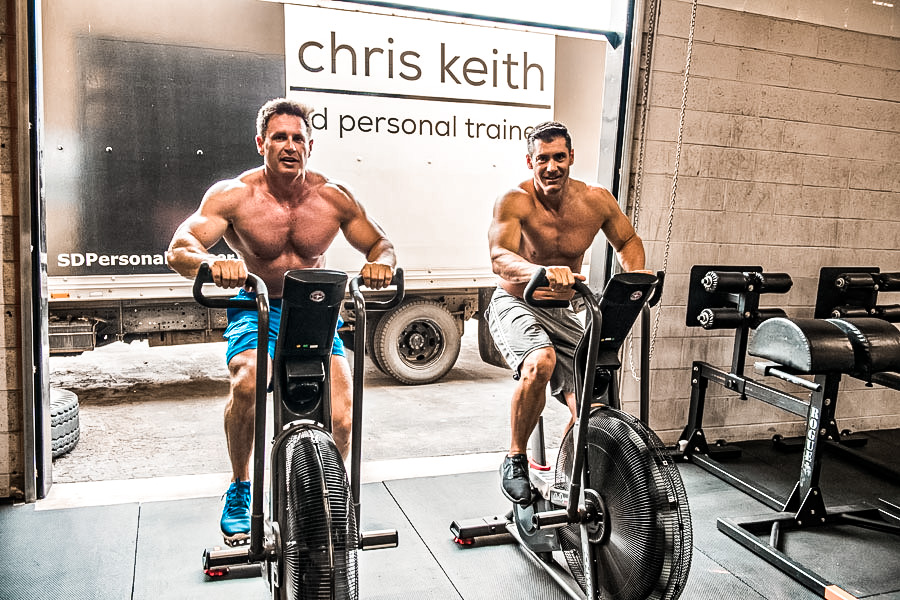
If you and your partner want to get healthier together, I offer buddy training at my private studio in Bay Park / Morena. You’ll train side by side, one-on-one with me, on a program built around both of your goals using the Chris Keith Method. At the end of the day, a relationship that’s as healthy as it is loving is worth the effort.
Ready to get healthy together? Text Chris at (619) 840-9099 to ask about buddy training.
Related reading: Personalized Fitness Training: What the 5 Love Languages Teach a Coach
Frequently Asked Questions
Have a question that isn’t covered here? See the full personal training FAQ.
Why do people gain weight in relationships?
Couples often eat out more, share bigger portions, keep more snacks at home and spend less time exercising on their own. Also, feeling comfortable and settled can loosen old routines. None of it is inevitable, and small shared habits can turn it around.
How can couples lose weight together?
Set shared goals, cook more meals at home, stock healthier snacks, schedule workouts together and support each other without nagging. On top of that, buddy training with a personal trainer adds structure and accountability for both of you.
Is it normal to gain weight after getting married?
Lots of people gain a few pounds in the early years of marriage or a long-term relationship. It’s common, but you can prevent or reverse it by paying attention to portions, activity and new routines.
How can my partner support my fitness goals?
Ask them to join you for workouts or walks, keep tempting foods out of the house, plan healthy meals together, and cheer on your progress. Above all, tell them clearly what helps you. That’s the most important step.
Chris Keith has over 30 years of personal training in San Diego (since 1995) and was voted Best Personal Trainer by San Diego Magazine. He trains clients one-on-one at his private studio in Bay Park / Morena. Learn more about Chris or contact Chris to get started.