
A meniscus tear is an injury to the C-shaped cartilage that cushions and stabilizes your knee, usually from a sudden twist or, with age, gradual wear. Common signs are pain, swelling, catching or locking, and trouble straightening the knee. See a doctor to get it diagnosed. After that, strong legs and good movement habits help you come back safely and lower your risk.
Serious athlete, weekend warrior, or someone who just likes staying active, it doesn’t matter. A meniscus tear can put you on the sidelines for weeks or longer. In more than 30 years of training San Diego clients, I’ve helped a lot of people strengthen their knees before and after this injury.
What is the meniscus?
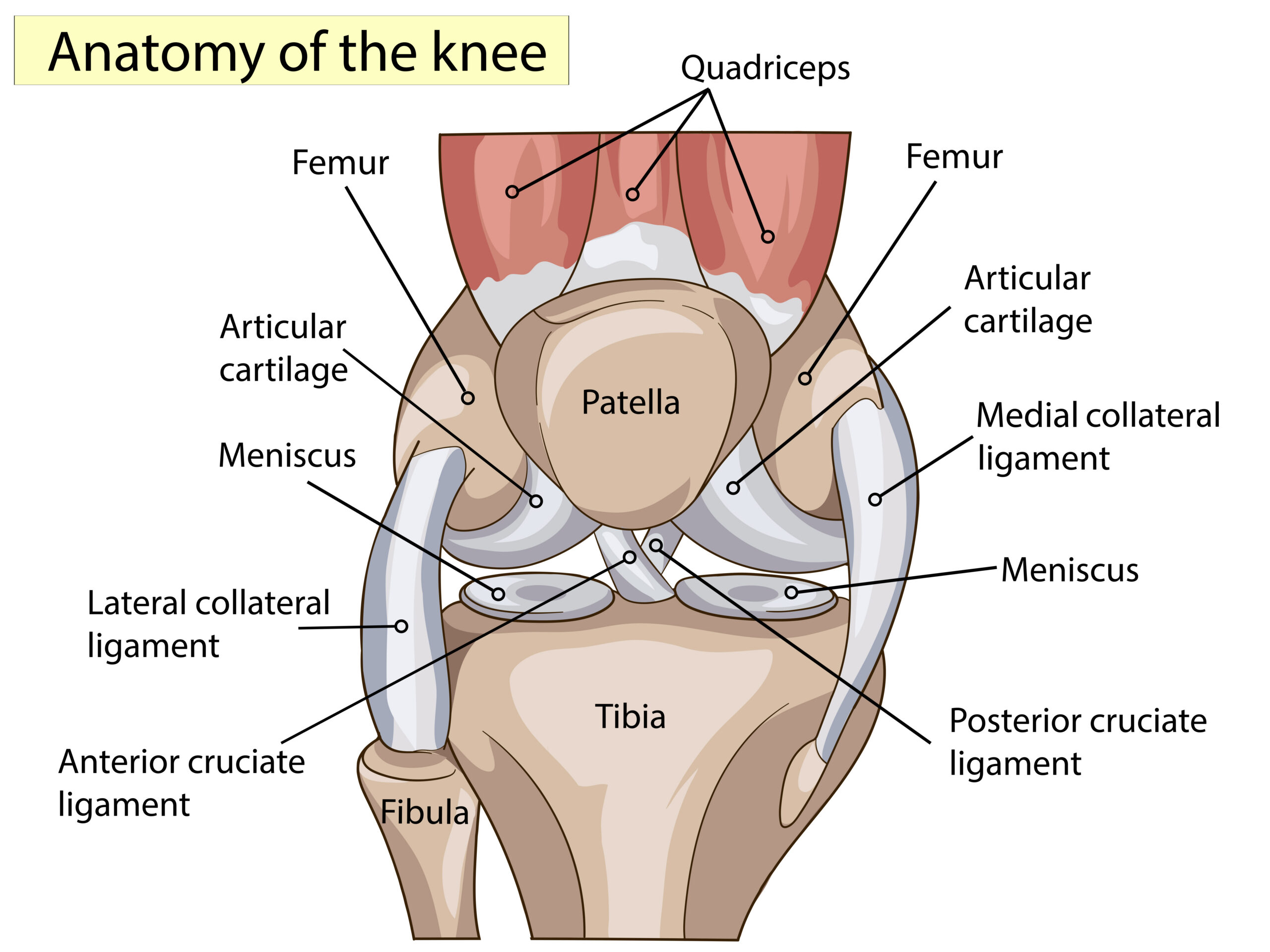
Each knee has two menisci. They’re wedge-shaped pads of cartilage that sit between your thigh bone (femur) and shin bone (tibia). They add stability when you twist and turn, and they absorb shock when you walk, run and jump. In short, they protect the bone surfaces of your knee.
What causes a meniscus tear?
A meniscus tear can happen any time the knee twists awkwardly while it’s bearing weight. That’s why it’s common in sports with quick cuts, pivots, jumps and hard landings, like soccer, tennis, volleyball, basketball and football. But it doesn’t always take a dramatic moment. As we age, the cartilage gets weaker, so a deep squat, getting up too fast or a small misstep can cause a tear.
What are the signs of a meniscus tear?
- A pop at the time of injury, followed by pain
- Swelling or tenderness around the knee
- Catching, clicking or locking when you move the knee
- Trouble fully straightening or bending the knee
- Pain with walking, stairs, squatting or twisting
- A feeling that the knee might give way
Some people only feel mild symptoms at first, then notice locking or stiffness later. Either way, have a doctor check it out.
How is a meniscus tear diagnosed?
Only a medical professional can diagnose a meniscus tear. Usually, a doctor goes over your history, examines the knee and may use some movement tests. X-rays help rule out bone problems and arthritis, while an MRI shows the cartilage and ligaments. Tears get described by their pattern (radial, horizontal, flap or complex) and by where they are. And location matters, because the outer edge of the meniscus has a better blood supply and heals more easily than the inner part.
How is a meniscus tear treated?
Treatment depends on the type, size and location of the tear, plus your age and how active you are. Many tears, especially small or degenerative ones, are handled without surgery through rest, activity changes and physical therapy. Others need arthroscopic surgery to repair or trim the damaged cartilage. Your doctor will recommend the right approach and any medication for pain and swelling. For minor knee aches after activity, a lot of people start with rest, ice, compression and elevation. Still, see a doctor if pain or swelling gets worse or doesn’t go away.
How can you lower your risk of a meniscus tear?
- Strengthen your legs and hips. Strong quads, hamstrings, glutes and calves keep the knee steady when you move awkwardly.
- Learn good movement. For example, practice landing softly and cutting with your knee in line with your toes.
- Warm up first. Always warm up before hard activity. See why warming up matters.
- Wear the right shoes. Pick supportive footwear for your sport and keep the laces snug.
- Progress gradually. Build up your squats, jumps and running volume over weeks.
- Stay alert in fast sports. Most tears happen during quick changes of direction.
How do you train safely after a meniscus tear?
First, get cleared by your doctor or physical therapist, and follow their plan. Then rebuild gradually. In general, that means getting your range of motion back, strengthening the muscles around the knee with controlled exercises, and adding balance work before you go back to jumping and cutting. For example, early work might include leg raises, bridges and partial-range squats. Later you progress to step-ups, split squats and eventually sport drills. Stop any exercise that causes sharp pain, locking or swelling. For more, read strength training after physical therapy.
Can a personal trainer help after a meniscus tear in San Diego?
Yes, once you’re cleared. A trainer who understands knees builds a plan that progresses step by step and strengthens the whole leg. They also watch your mechanics on every rep and work with your physical therapist. In my private Bay Park / Morena studio, every program is built around your joints and your history. Learn more about training after physical therapy in San Diego or see my rates. For general activity targets, see the CDC’s adult activity guidelines.
This article is for general education and isn’t medical advice. See a doctor for knee pain, swelling, locking or instability.
Rebuilding a knee? Text Chris at (619) 840-9099 for a free consultation.
Frequently Asked Questions
Have a question that isn’t covered here? See the full personal training FAQ.
Can a meniscus tear heal on its own?
Some small tears can get better with rest and physical therapy, especially in the outer part of the meniscus where the blood supply is better. But larger or inner tears often don’t heal on their own and may need surgery. A doctor can tell you which one applies to your knee.
How long does it take to recover from a meniscus tear?
Recovery varies a lot. Mild tears managed with physical therapy may get better in several weeks. Surgical repair, on the other hand, can take a few months before you’re fully back to sport. Your doctor or physical therapist can give you a realistic timeline.
What exercises are safe with a meniscus tear?
Once a doctor or physical therapist clears you, gentle exercises like straight-leg raises, bridges, stationary cycling and partial-range squats are often used early on. Until you’re cleared to progress, though, avoid deep squats, twisting and jumping.
Can I still work out with a meniscus tear?
Often, yes. You can usually keep training your upper body, core and the other leg, and do low-impact cardio like swimming or cycling if it’s pain-free. Just follow your medical team’s guidance on what’s safe for your knee.
Chris Keith has over 30 years of personal training in San Diego (since 1995) and was voted Best Personal Trainer by San Diego Magazine. He trains clients one-on-one at his private studio in Bay Park / Morena. Learn more about Chris or contact Chris to get started.