Strength and balance training are two of the most effective ways for older adults to stay independent, reduce fall risk, and maintain mobility. The good news is that it’s never too late to start, and working with a coach who understands how to adapt exercises to your ability makes a real difference. This guide explains what strength and balance training look like, why they matter as we age, and how to begin safely.
Why Strength and Balance Training Matter After 50
As we get older, muscle mass naturally declines—a process called sarcopenia. Without regular resistance activity, we lose strength and stability, which can make everyday tasks harder: climbing stairs, carrying groceries, or standing up from a chair. Balance training helps keep you steady on your feet, which is important because falls are a leading cause of injury in older adults.
The good news: research consistently shows that strength training and balance work can slow or even reverse muscle loss, improve bone health, and help you stay active longer. These benefits happen at any age—you just need a program tailored to where you are now.
What Does Strength Training for Older Adults Look Like?
Effective strength training for older adults doesn’t require heavy weights or complex movements. The focus is on functional strength—the kind that helps you do things you actually do every day.
A solid program typically includes:
- Resistance exercises using body weight, bands, or light weights to work major muscle groups
- Compound movements like squats, step-ups, and rows that involve multiple muscles and joints
- Core stability work to improve posture and reduce back strain
- Balance-specific drills that challenge your stability in controlled ways
- Flexibility and mobility work to keep joints moving well
Sessions are usually 30 to 60 minutes, done 2 to 3 times per week. The key is consistency and proper form—working with a trainer who watches your technique prevents injury and makes sure you’re getting real results.
Balance Training: Building Steady Feet
Balance training teaches your body to control movement and stay upright in different positions. It’s especially useful because it’s specific—exercises that challenge your balance actually improve your balance, more so than just doing general fitness work.
Common balance exercises include:
- Standing on one leg for increasing periods
- Walking heel-to-toe in a straight line
- Controlled stepping movements in different directions
- Reaching or turning movements that shift your center of gravity
- Exercises on unstable surfaces (when appropriate and supervised)
The best balance training starts simple and progresses gradually. A trainer can spot what you need to work on and adjust the difficulty as you improve.
How to Know If You’re Ready to Start
Before beginning any new exercise program, especially if you have a health condition or past injury, talk with your doctor. They can let you know if there are any movements you should avoid or modifications you need. If you’ve recently completed physical therapy, your PT can give you guidance on what comes next.
Once you have the green light, working with a trainer in person is invaluable. A trainer can assess your current strength and balance, watch your form, catch compensation patterns, and adjust the program as you improve.
Getting Started: What to Expect in Your First Session
A good trainer starts with a conversation and assessment. Expect to discuss your goals, exercise history, any injuries or health concerns, and what independence or activities matter most to you. This information shapes your program.
Your first session usually includes:
- A movement screening to see how you move and where limitations exist
- Introduction to basic exercises with proper form emphasis
- An explanation of how your program will progress
- Clear guidance on how to do exercises safely at home if needed
Consistency matters more than intensity. Regular sessions—even at moderate effort—build strength and confidence over time.
Common Concerns About Training as an Older Adult
Will lifting make me bulky? No. Muscle growth requires specific training stimuli and consistency that few people actually pursue. Most people gain functional strength, better posture, and improved mobility—all things that help you feel and look better.
Isn’t strength training risky for joints? When done with proper form and appropriate progression, resistance training is actually protective for joints. It builds the muscles that support and stabilize joints, reducing strain.
How soon will I notice results? Many people feel stronger and move with more ease within 2 to 4 weeks. Measurable changes in muscle strength and endurance often show up within 6 to 8 weeks of consistent work.
What if I have arthritis or joint pain? Controlled strength training often helps with joint pain by strengthening the surrounding muscles. If you have specific pain, bring it up during your consultation so your program can be adapted. Your trainer can work around problem areas while you’re building strength elsewhere.
Making It Sustainable
The best program is one you’ll actually stick with. That usually means:
- Scheduling regular sessions at a time that works for you
- Working with a trainer who explains what you’re doing and why
- Seeing progress tracked over time
- Having exercises you can do at home if you want to add more activity
- Adjusting intensity and focus as your goals change
Many older adults find that private training works best because the sessions are tailored to their needs, the trainer can watch for form breaks, and there’s built-in accountability.
Next Steps in San Diego
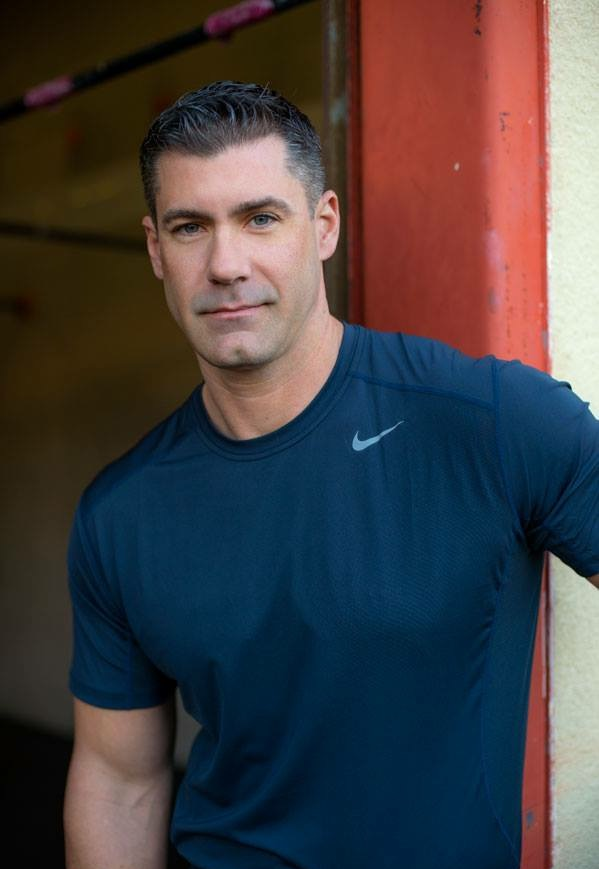
If you’re in San Diego and ready to start, personalized training for adults over 50 is available at the Bay Park studio. The trainer has over 30 years of experience and holds certifications in strength training, pain-free performance, and sports conditioning. Sessions are one-on-one at the private studio, and there’s free parking for every client.
Your first step is a free consultation to talk about your goals, ask questions, and see if the training approach is right for you. Call or text (619) 840-9099 to set up a time. Hours are 5 AM to 9 PM, seven days a week, at 5260 Riley Street in the Bay Park / Morena area.
Frequently Asked Questions
What if I haven’t exercised in years? That’s okay. A good trainer starts where you are and builds from there. The first few sessions focus on learning movement patterns and establishing a baseline. Progress happens gradually.
Can I do strength training if I’m on blood thinners or other medications? Most people can, but check with your doctor about any movement restrictions or precautions specific to your situation.
How often should I train? For most older adults, 2 to 3 sessions per week is a solid starting point. Your trainer can recommend what makes sense for your goals and schedule.
Is it too late to start at 70, 75, or 80? No. Research shows that older adults at every age can build strength and improve balance. Starting later means you may progress a bit more slowly, but the benefits are real and meaningful.
Strength and balance training is an investment in your independence, confidence, and quality of life. If you’re ready to get started, reach out for a free consultation at (619) 840-9099—or text the same number if that’s easier. There’s no pressure, just a conversation about what you want to achieve and whether private training is a good fit for you.