
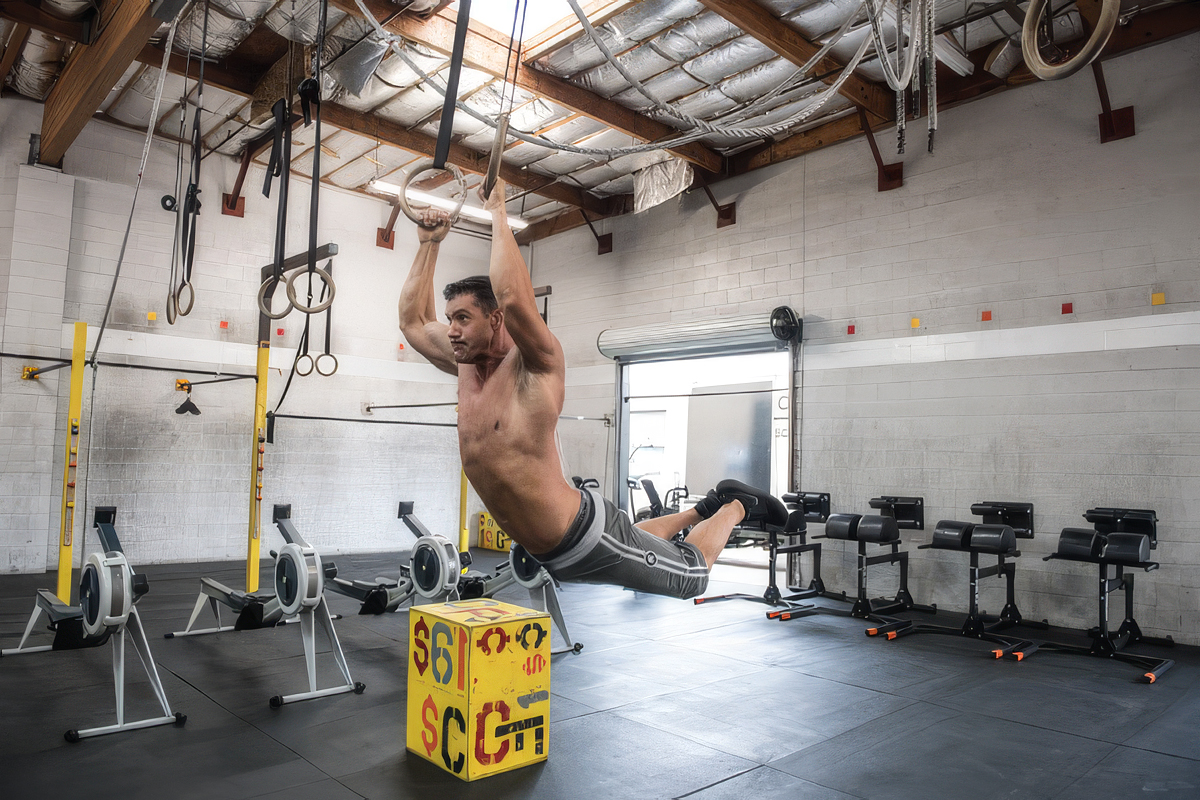
Strength training on GLP-1 medication matters because part of the weight you lose can be lean mass, not just fat. In fact, lifting is linked to keeping more muscle and bone, more strength for daily life, and healthier long-term results. Plus, a safe start is simple: get your doctor’s OK first, then start light and build up gradually.
For context, Chris Keith brings over 30 years of personal training in San Diego to this topic, and he coaches adults 1-on-1 through weight loss personal training built on strength.
Why Does Strength Training on GLP-1 Medication Matter?
First, it helps to know what these medications do well. For example, in the STEP 1 trial of 1,961 adults, people taking semaglutide lost an average of 14.9% of their body weight over 68 weeks, compared with 2.4% on placebo, according to the trial report in the New England Journal of Medicine. On top of that, the semaglutide group reported a bigger improvement in physical functioning than the placebo group.
But the scale only tells part of the story. In fact, a 2025 joint advisory from the American College of Lifestyle Medicine, the American Society for Nutrition, the Obesity Medicine Association and The Obesity Society lists muscle and bone loss among the main challenges of GLP-1 therapy. That’s why the same experts call for preserving muscle and bone mass through resistance training and an appropriate diet.
How Much of the Weight Lost on a GLP-1 Can Be Muscle?
Now, the joint advisory breaks down the body-composition results from STEP 1. Here’s how the average weight reduction split out, according to the advisory:
| STEP 1 body composition | Amount | Share of weight lost |
|---|---|---|
| Total weight reduction (average) | 13.6 kg | 100% |
| Fat mass | 8.3 kg | 62% |
| Lean body mass (muscle and other non-fat tissue) | 5.3 kg | 38% |
| Estimated muscle | About half of lean mass | About 20% |
In other words, most of the loss was fat, and that’s good news. Still, roughly one pound in five was estimated to be muscle. The advisory also notes that these losses track with how much weight comes off, and that they look a lot like other approaches that produce big weight loss, such as bariatric surgery and very low-calorie diets.
Of course, not everyone is affected the same way. For instance, the advisory says muscle loss risk is higher with older age, perimenopause or menopause, lower testosterone, sedentary habits, or no strength training. That’s why adults over 40 often have the most to protect, and it’s a big focus of Chris’s training for adults 40, 50 and 60.
How Does Lifting Help Protect Muscle, Bone and Daily Function?
Luckily, muscle responds to training at any age. In fact, the joint advisory states that structured strength training, or strength plus aerobic training, is well established to help preserve lean mass during weight reduction. Aerobic activity alone, by contrast, has a smaller effect on lean mass during rapid weight loss, it notes.
Bone matters too. According to the advisory, substantial weight loss (14% or more) over a short span of 3 to 4 months is linked to significant bone loss, while slower loss may better preserve bone. It also describes a randomized trial where one year of GLP-1 therapy plus exercise preserved bone mineral density, while GLP-1 therapy alone lowered it.
In the end, this is about everyday life. According to the advisory, low muscle and bone mass is linked to physical impairment, falls and fractures, lower quality of life and reduced survival. So in plain terms, strength is what lets you carry groceries, climb stairs and get up off the floor with confidence.
Can Strength Training on GLP-1 Help You Keep Your Results?
Next, think long term. For example, in the STEP 1 extension study, 327 participants were followed for a year after both the medication and the lifestyle program stopped. Within that year, they regained about two-thirds of the weight they’d lost, and most heart and metabolic improvements slid back toward baseline.
To be clear, decisions about how long to take any medication belong with your prescribing doctor. Still, there’s a useful lesson for training here: the habits you build now are the ones you keep later. On top of that, the advisory notes that aerobic and resistance exercise improve insulin sensitivity and blood vessel function, which matter for long-term heart and metabolic health.
That’s why Chris treats strength as a skill you own, not a phase you finish. Text Chris at (619) 840-9099 for a free consultation.
How Often Should You Strength Train While Taking a GLP-1?
Two trusted sources give you a clear place to start:
- CDC baseline for all adults: According to the CDC physical activity guidelines, adults need at least 150 minutes of moderate-intensity activity a week, plus muscle-strengthening activity on at least 2 days that works the legs, hips, back, abdomen, chest, shoulders and arms.
- GLP-1 joint advisory: Similarly, the advisory recommends pairing GLP-1 therapy with a structured program that includes strength training at least 3 times a week plus at least 150 minutes of moderate aerobic exercise weekly.
- Fit to you: Also, the advisory adds that plans should be customized to each person’s fitness level and physical capacity so they’re safe and sustainable.
In short, those numbers are goals to build toward with strength training on GLP-1 therapy, not day-one requirements. Honestly, a beginner who starts with two short sessions and builds up steadily is often better off than someone who tries to do it all at once.
What Does a Safe Start to Strength Training on GLP-1 Look Like?
First and foremost, get your prescribing doctor’s OK before you begin. After that, a safe start usually looks like this:
- Start light. To begin, use bodyweight, bands or light dumbbells so you can learn each movement well.
- Put form before load. Next, master squats, hinges, pushes, pulls and carries before adding weight.
- Progress gradually. Then add small amounts of weight or reps over the weeks. That’s the core idea behind gradual progressive overload.
- Train the whole body. Also, cover the major muscle groups the CDC lists, not just one area.
- Listen to your body. Finally, if you feel dizzy, faint or unusually tired, stop the session and report it to your doctor.
Outside the gym, fuel and fluids matter too. For example, the advisory stresses that extra protein alone is likely not enough to preserve muscle without structured strength training, and it flags dehydration from nausea or vomiting as a concern. Even so, protein and fluid needs vary by person, so a registered dietitian or your doctor can set your number.
Why Work With a San Diego Personal Trainer?
In fact, the joint advisory itself suggests that an exercise physiologist or strength trainer may help many people assess strength, set up a resistance program and track progress over time. Of course, Chris is a trainer, not a medical provider, so he works alongside your own doctor’s guidance.
So here’s the setup: Chris coaches every session 1-on-1 at his private Bay Park / Morena studio, with free reserved parking and appointments from 5 AM to 9 PM. Plus, every program uses gradual progressive overload with form before load, whether you’re brand new or coming back after years away. You can learn more about his approach to strength training in San Diego.
So, if you’re on a GLP-1 and want to protect the strength you have, start with a conversation. To explore weight loss training with Chris or to contact the studio, text Chris at (619) 840-9099 for a free consultation.
This article is general fitness information, not medical advice. Chris Keith is a personal trainer, not a medical provider. Talk with your prescribing doctor before starting a new exercise program or changing how you eat while taking a GLP-1 medication.
Chris Keith has over 30 years of personal training in San Diego (since 1995) and was voted Best Personal Trainer by San Diego Magazine. He coaches adults 1-on-1 at his private Bay Park / Morena studio.
Frequently Asked Questions
Is strength training safe while taking a GLP-1 medication?
For many adults, strength training on GLP-1 medication can be a safe and helpful part of GLP-1 therapy, and a 2025 joint advisory from four medical and nutrition societies recommends it. However, safety depends on your health history, so get your prescribing doctor’s OK first. Then start light, focus on form, and report dizziness, faintness or unusual fatigue to your doctor.
Do you lose muscle on Ozempic or Wegovy?
Some of the weight lost can be lean mass. According to a 2025 joint advisory, in the STEP 1 semaglutide trial about 38 percent of the average weight reduction was lean body mass, and the advisory estimates roughly 20 percent was muscle. Research suggests structured strength training can help preserve lean mass during weight loss.
How many days a week should I lift weights on a GLP-1?
The CDC advises muscle-strengthening activity at least 2 days a week for all adults. Meanwhile, the 2025 GLP-1 joint advisory recommends strength training at least 3 times a week plus 150 minutes of moderate aerobic activity. Most beginners build up to those targets gradually, and your doctor can help you decide what fits your health.
How much protein do I need while strength training on a GLP-1?
Protein needs vary from person to person, so a registered dietitian or your doctor can set your number. In fact, the 2025 joint advisory stresses that eating more protein alone is likely not enough to preserve muscle without structured strength training. In short, the two work together, and personalized nutrition guidance should come from a qualified professional.
Does Chris Keith offer a special GLP-1 program?
No. Chris does not offer a special GLP-1 program or certification. Instead, he coaches adults 1-on-1 at his private Bay Park / Morena studio in San Diego using gradual progressive overload and form before load. He works alongside the guidance from your own doctor, and any medication questions should go to your prescribing doctor.