
Is a personal trainer worth it? For most people, yes: a good trainer gives you accountability, expert education, safer technique, efficient workouts and a plan built only for you. The payoff is results you probably couldn’t reach alone. However, it’s only worth it if you choose a qualified trainer and show up consistently.
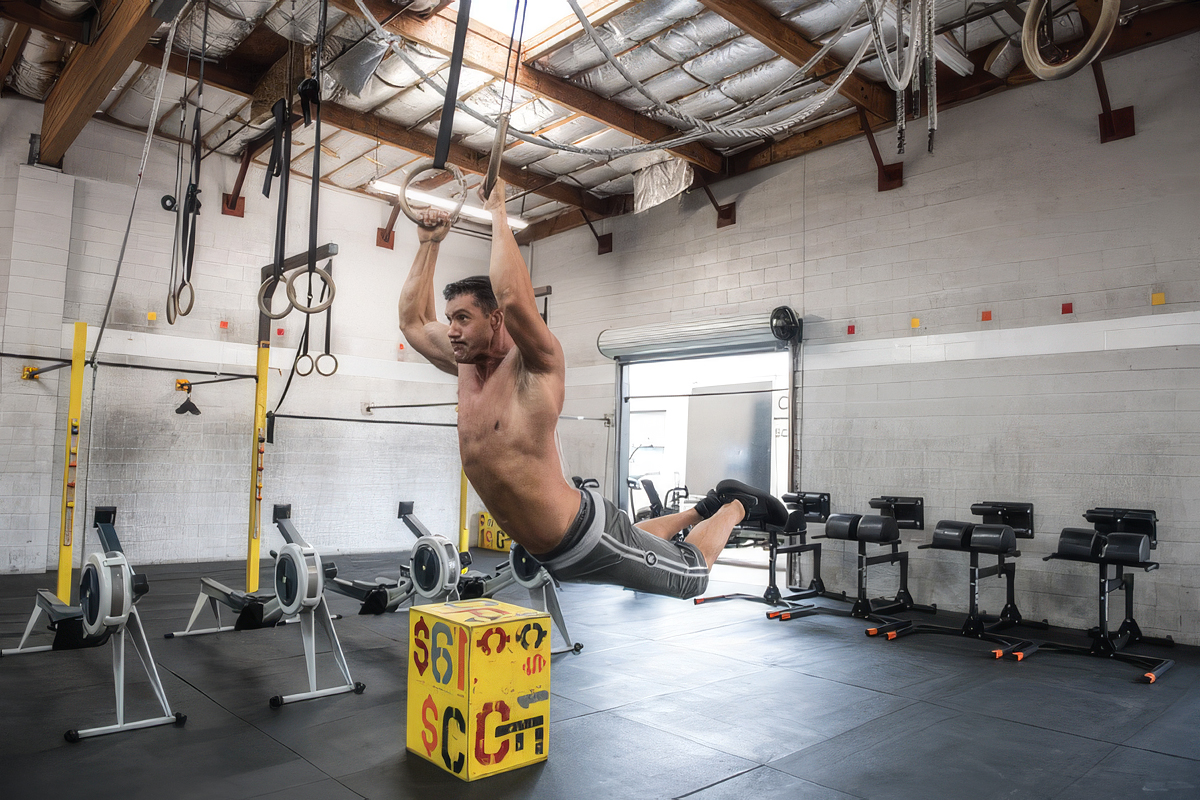
Let’s be honest. How many times have you set a new fitness goal, only to fall off the wagon a couple of weeks later? We all need a little help sometimes. And personal training isn’t just for celebrities and athletes. In fact, after more than 30 years of coaching in San Diego, I’ve seen people of every age and fitness level get more out of working with an expert.
Is a personal trainer worth it? What you actually get
Accountability
First, your trainer holds you accountable for showing up. After all, you’ve got a set, paid appointment and someone waiting for you. A trainer also helps you set realistic short- and long-term goals. Even on a bad day, they bring the energy to get you through the workout.
Sure, it’s easier to hop on the elliptical for an hour. But then what? Doing the same thing over and over and expecting different results rarely works. Instead, a trainer adjusts your program to your background and what you need.
Education
There’s almost too much fitness information out there, and sorting out what’s true is overwhelming. That’s why a good trainer stays current and gives you safe, accurate guidance. For example, they can answer questions about popular diets, or help you handle temptations like dining out with friends. Just as important, a good trainer really cares about your health.
Support and confidence
Most of us have felt self-conscious in a gym at some point. So a trainer gives you steady, no-judgment support wherever you’re starting. Each session is an hour that’s all about you, so there’s no comparing yourself to anyone else. A good trainer also celebrates the small wins, because those add up.
Safety and proper technique
I see plenty of people trying to teach themselves form from videos and magazines. But nothing beats having a pro right next to you giving constant feedback. It’s easy to get hurt when you’re not sure what you’re doing.
Some people avoid the gym because of an old injury or a fear of getting hurt. An experienced trainer knows how to work around injuries and focus on prevention, within your doctor’s guidance. Trainers also teach movements that carry over into daily life. For instance, practicing a good deadlift pattern helps a grandparent safely pick up a grandchild.
Efficiency
Instead of casually spending an hour on cardio, a trainer helps you get the most out of your time. Varied, well-planned sessions build strength and fitness faster than the same long, slow routine every day. Plus, a trainer works around your schedule to find the times that suit you best.
Personalization and progression
Personal training is called personal for a reason. Maybe you have an injury, want to run your first 5K, want to lose weight or want an edge in your sport. Either way, the program is built around you. Athletes, for example, get sport-specific work on endurance, strength, speed and agility.
Results
Finally, the most important point: results. A trainer helps you reach goals you couldn’t reach on your own, and often a few you didn’t see coming. In turn, those results keep you motivated.
Nutrition guidance
Training and nutrition work together. That’s why a trainer looks at what you currently eat and helps you build a balanced, realistic approach that supports your workouts. For medical nutrition needs, of course, they’ll point you to a registered dietitian or your doctor.
Sport-specific training
A trainer can help you perform better at almost any activity. For example, that might mean building speed for your first 5K, adding distance to your golf drive, or strengthening your core and balance before a backpacking trip. They can also help you avoid sport-specific injuries such as tennis elbow or golfer’s elbow.
Training safely with health conditions
Exercise helps prevent and manage many common conditions, including diabetes, arthritis, heart disease and high blood pressure. But training with a medical condition takes extra care. A knowledgeable trainer works within your doctor’s guidance and progresses you safely. If you have a health condition, always check with your doctor before starting a new program.
Aging well
Your body changes as you age, and so does what it needs from exercise. Workouts that worked ten years ago may not work now. That’s why a trainer adjusts your routine to protect your joints and keep you strong. The CDC notes that adults of all ages benefit from muscle-strengthening activity at least 2 days a week. See also the benefits of a personal trainer for seniors.
An hour that’s all about you
On top of that, a private session means no waiting for equipment and no feeling self-conscious in a crowded gym. That focus is one of the underrated benefits of a personal trainer, especially in a private studio like mine in Bay Park.
What does the first month with a trainer look like?
Knowing what to expect helps you judge whether a personal trainer is worth it for you. With a good trainer, the first session usually starts with a conversation about your goals, health history and schedule, often followed by a simple movement assessment. Next, the trainer builds a program around what they find, and technique comes before load. Over the next few weeks, the weights, pace and exercises progress as you improve. By the end of the first month, you should move better, feel more energetic and know exactly what you’re doing and why. That’s also a good time to review your progress and set the next goals.
When is a personal trainer worth it the most?
- You’ve started and stopped exercising more than once
- You have past injuries, pain or posture problems
- You’re over 40 and want to build strength safely
- You have a specific goal, like an event, sport or weight loss
- You feel lost or intimidated in a gym
When is a personal trainer not worth it?
To be honest, a trainer is less valuable if you won’t commit to regular sessions, or if you pick someone without real credentials. It’s also not the best fit if you already train consistently and safely and just want a new program. In that case, a few sessions for a program review may be all you need.
Is a personal trainer worth it for the cost in San Diego?
Based on rates San Diego trainers and studios publish, private sessions usually run $90 to $160, and packages bring down the price per session. So think about value, not just price. What you’re paying for is experience, a private setting and coaching that’s truly built for you. You can see my rates, read the benefits of a personal trainer, or learn how to go about choosing a personal trainer in San Diego.
How do you hire a personal trainer in San Diego?
First, look for an accredited certification and experience with goals like yours. Next, book a consultation and ask how they assess new clients. Then compare packages and train together a few times before committing. For a full checklist, read choosing a personal trainer in San Diego.
In the end, once you hire a personal trainer in San Diego who fits you, you’ll wonder how you trained without one.
Ready to see what a trainer can do for you? Text Chris at (619) 840-9099 for a free consultation.
Want to find out if a trainer is worth it for you? Text Chris at (619) 840-9099 for a free consultation.
Related reading: Personal Trainer Cost in San Diego: 2026 Price Guide · Working With a Personal Trainer: How to Get the Best Results
Frequently Asked Questions
Have a question that isn’t covered here? See the full personal training FAQ.
Is a personal trainer worth it for beginners?
Yes, and beginners often get the most value. A trainer teaches safe technique, builds a starting program you can follow, and helps you feel confident in the gym. Even a short block of sessions can set you up with habits and skills that last for years.
Is a personal trainer worth it for weight loss?
A trainer can make weight loss more successful by combining strength training, sensible cardio and nutrition habits you can stick with. But the biggest value is accountability and consistency, because that’s what most people struggle with when they try to lose weight on their own.
How many sessions with a personal trainer do I need?
Most people start with two or three sessions a week for the first few months to learn technique and build momentum. After that, one or two sessions a week plus workouts on your own is often enough to keep progressing.
Can I just use a workout app instead of a trainer?
Apps can help with structure, but they can’t watch your form, adjust for injuries or hold you accountable in person. That’s why many people use an app between sessions and a trainer for technique, programming and motivation.
How long does it take to see results with a personal trainer?
Most people notice more energy and better technique within a few weeks. Visible changes in strength and body composition usually take two to three months of consistent training and sensible nutrition. Results depend on your starting point, schedule and habits outside sessions.
Can a personal trainer help if I have an injury or health condition?
Yes, as long as your doctor has cleared you to exercise. An experienced trainer adapts exercises around injuries and conditions, progresses you gradually, and coordinates with your healthcare team’s guidance. They don’t diagnose or treat medical problems.
Chris Keith has over 30 years of personal training in San Diego (since 1995) and was voted Best Personal Trainer by San Diego Magazine. He trains clients one-on-one at his private studio in Bay Park / Morena. Learn more about Chris or contact Chris to get started.