
Forward head posture means your head sits out in front of your shoulders, usually from long hours on phones and computers. That overloads your neck and upper back. It comes from weak deep neck flexors and tight neck extensors. So the fix is simple: strengthen the front of the neck, loosen the back of it, and fix your desk setup.
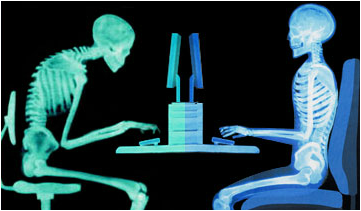
Of all the posture problems I see, forward head posture affects the most people today. You’ll spot it in almost anyone who’s on a smartphone a lot, works a desk job or sits at a computer for hours. In short, their ears sit in front of their shoulders. After more than 30 years of training clients in San Diego, here’s how I explain it and how I fix it.
What causes forward head posture?
Forward head posture comes from a muscle imbalance around the neck:
- Weak, lengthened deep neck flexors at the front of the neck, including the longus capitis and longus colli, plus the hyoid muscles
- Tight, overactive neck extensors at the back and sides of the neck, including the levator scapulae, sternocleidomastoid, scalenes and the small suboccipital muscles at the base of the skull
Over time, the head drifts forward and also tilts up slightly, so you can still look straight ahead. That’s why the fix involves both pulling the head back and gently nodding it down.
Why is forward head posture a problem?
Your head is heavy, about the weight of a bowling ball. So the further it drifts in front of your body, the harder your neck and upper-back muscles have to work to hold it up. As a result, a lot of people with forward head posture deal with neck stiffness, tight upper shoulders and tension headaches. Over years, that constant strain can also stress the joints and discs of the neck. It can even affect how easily you breathe, because slouching limits how much your ribcage can expand.
How do you fix forward head posture?
Keep in mind that forward head posture usually builds up over years, so give it time. Consistency and patience are what work. The plan has two steps: first strengthen the weak front of the neck, then loosen the tight back of the neck.
Exercise 1: Double chin nods
First, sit or stand tall and draw your head straight back over your shoulders, making a double chin. Then add a small nod downward, like you’re saying “yes.” That opens up the space between the base of your skull and the top of your neck. Because you’re working the deep muscles, the muscles on the front surface of your neck should stay relaxed (put a hand over the front of your neck to check). Hold a few seconds, then relax. Start with 2 sets of 15 and build up each week. Quality matters far more than quantity. Best of all, you can do these at your desk, in the car or lying down, even once an hour.
Exercise 2: Banded chicken bobs
Next, loop a light band around a sturdy post at about forehead height. Face away from the post with the band around your forehead, and walk forward to take up the slack. Retract into the double-chin position, then slowly let your head move forward and pull it back again. Keep every rep slow and controlled.
Exercise 3: Soft tissue work for the back of the neck
Tight extensors need loosening. For example, use a lacrosse ball against a wall, or a massage stick, to find tender spots on the back of your neck and the base of your skull. Apply gentle, small circular pressure for 3 to 5 minutes. Avoid pressing directly on the spine or the front of the neck.
Exercise 4: Double chin nod stretch
Finally, hold the double-chin position and use both hands to gently tilt your head forward. You should feel a stretch at the base of your skull. Start with 2 holds of about 40 seconds.
How do you prevent forward head posture from coming back?
A lot of people skip this part. So once your posture improves, set up your environment so good posture happens on its own:
- Monitor at eye level. If your screen is low, you’ll keep sticking your neck forward and down.
- Desk and chair at the right height. Your elbows should rest near 90 degrees, with feet flat. If your desk is too low, an adjustable desk or sturdy desk risers can help.
- Phone up, not down. Bring your phone toward eye level instead of dropping your head.
- Regular breaks. Also, stand up and reset your posture every 30 to 60 minutes.
- Upper-back strength. Rows and face pulls two or three times a week help you hold a better head position.
What are the signs of tech neck?
Common signs include a stiff or sore neck, tight upper shoulders, tension headaches, and ears that sit in front of your shoulders. You may also notice it gets worse late in the workday. However, numbness, tingling or pain that travels down the arm needs a doctor’s attention, not just exercises.
What else helps fix forward head posture and tech neck?
Strengthen the upper back
Next, build the muscles that pull your shoulders back. For example, rows, face pulls and reverse flys all help your upper back support your head and neck. Two or three sessions a week make a real difference.
Stretch the chest
Tight chest muscles pull your shoulders and head forward. So open them up with a doorway stretch: forearms on either side of a doorway, step through until you feel a gentle stretch, and hold for 20 to 30 seconds.
Fix your workstation
Set your monitor at eye level and about an arm’s length away, use a chair with good back support, and bring your phone up toward eye level instead of looking down. Also, take a short posture break every 30 to 60 minutes.
Manage stress
Finally, stress shows up as muscle tension. So regular exercise, walks, deep breathing and good sleep all help your neck and shoulders relax.
What does a simple daily tech neck routine look like?
You don’t need a gym to start. Here’s a quick routine you can do at your desk or at home in about five minutes:
- Chin tucks: 10 slow reps with a 5-second hold
- Shoulder blade squeezes: 10 reps, pulling your shoulders back and down
- Doorway chest stretch: 2 holds of 20 to 30 seconds
- Upper-back opener: clasp your hands in front, round your upper back gently and breathe for 20 seconds
- Posture reset: stand tall, ears over shoulders, and take five deep breaths
Do this once or twice a day, especially mid-afternoon when tech neck tends to build up. Then add band rows or face pulls two or three times a week. Over time, your body will start to hold the better position on its own.
Can a personal trainer help with forward head posture in San Diego?
Yes. A trainer can assess your posture, confirm which muscles are weak or tight, and coach these exercises so the right muscles do the work. In my private Bay Park / Morena studio, posture correction is part of every program. You might also like tech neck fixes and exercises for rounded shoulders, or see my rates. For general strength targets, the CDC recommends muscle-strengthening activity at least 2 days a week.
This article is for general education and isn’t medical advice. See a doctor for severe neck pain, headaches, numbness or tingling.
Ready to fix your posture for good? Text Chris at (619) 840-9099 for a free consultation.
Frequently Asked Questions
Have a question that isn’t covered here? See the full personal training FAQ.
How long does it take to fix forward head posture?
Most people feel less neck tension within a few weeks of daily chin nods, stretches and better desk habits. But visible improvement usually takes two to three months, because forward head posture develops over years and takes steady practice to reverse.
What is the best exercise for forward head posture?
Double chin nods (chin tucks with a slight nod) are one of the best, because they strengthen the deep neck flexors that hold your head back over your shoulders. Then pair them with upper-back strengthening and a stretch for the base of the skull.
Can forward head posture cause headaches?
It can contribute to tension headaches, because the muscles at the base of the skull and back of the neck work harder and tighten up. Headaches can have many causes, though, so see a doctor if they’re frequent or severe.
Is forward head posture permanent?
Usually not. For most people it’s a habit and a muscle imbalance, and it gets better with targeted exercises and better ergonomics. Still, structural changes or severe pain should be checked by a doctor or physical therapist.
Is tech neck the same as forward head posture?
Tech neck is a common type of forward head posture caused by screen use. In both, your head sits in front of your shoulders and strains your neck and upper back. So the same exercises and habits help both.
How can I prevent tech neck at work?
Put your monitor at eye level, sit back with support behind your lower back, keep your phone closer to eye level, and take a short movement break every 30 to 60 minutes. Regular upper-back strength training helps too.
Chris Keith has over 30 years of personal training in San Diego (since 1995) and was voted Best Personal Trainer by San Diego Magazine. He trains clients one-on-one at his private studio in Bay Park / Morena. Learn more about Chris or contact Chris to get started.