
Plantar fasciitis is irritation of the thick band of tissue along the bottom of your foot, causing stabbing heel pain that’s usually worst with your first steps in the morning. It often comes from tight calves, shoes without support, long hours on your feet or a sudden jump in running. Still, most cases get better with stretching, strengthening, better footwear and patience.
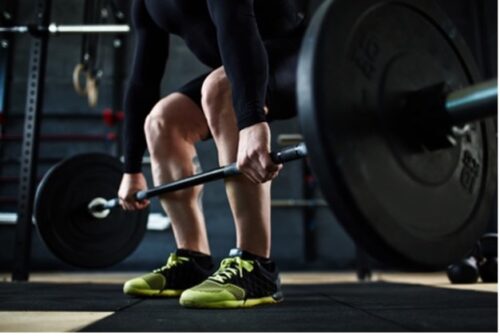
Your feet absorb impact, change direction and stabilize every move you make. So when your feet hurt, it can set off a chain reaction up to your ankles, knees, hips and lower back. In more than 30 years of coaching in San Diego, plantar fasciitis has been one of the most common foot problems I’ve seen, in runners, lifters and people who stand all day.
What is plantar fasciitis?
The plantar fascia is a thick band of tissue that runs from your heel bone to the base of your toes and holds up your arch. With plantar fasciitis, that tissue gets irritated and sore, usually near the heel. It’s especially common in runners and tennis players, since their feet take a pounding over and over. Sometimes it shows up alongside a heel spur (a small bony growth on the heel), but the two are different conditions.
What are the symptoms of plantar fasciitis?
- Sharp or stabbing heel pain with your first steps in the morning
- Pain after standing for a long time or getting up from sitting
- Aching or burning along the bottom of the foot or arch
- Tenderness at the bottom of the heel
- Pain that eases during activity but returns afterward
Because the pain can ease once you’re warmed up, a lot of people keep training through it. But it often flares up again later, and that can lead to limping and problems elsewhere.
What causes plantar fasciitis?
- Tight calves and Achilles tendons
- Shoes without good arch support, including high heels and worn-out sneakers
- Long hours standing on hard surfaces
- A sudden increase in running, jumping or training volume
- Extra body weight, which adds load to the feet
- Foot mechanics, such as very high arches or flat feet
- Activities with repeated impact, like long-distance running, ballet or basketball
How is plantar fasciitis diagnosed and treated?
A doctor usually diagnoses plantar fasciitis from your symptoms and a physical exam, and may use imaging to rule out other causes like a stress fracture. Most cases respond to conservative care over several weeks to months. That usually means stretching, changing your activity, supportive shoes or orthotics, and sometimes a night splint that keeps the foot gently stretched while you sleep. For stubborn cases, a doctor may talk through other treatments, and surgery is rarely needed. Follow your doctor’s guidance on any medication or procedure.
What can you do at home for plantar fasciitis relief?
- Calf stretches. Lean into a wall with one leg back and heel down for 30 seconds, then bend the back knee slightly for another 30 seconds.
- Plantar fascia stretch. Before getting out of bed, pull your toes back toward your shin and hold for 20 to 30 seconds.
- Rolling. Gently roll the bottom of your foot over a ball or frozen water bottle for a few minutes.
- Supportive footwear. Avoid going barefoot on hard floors while it’s sore.
- Modify activity. For a while, swap running for low-impact options like cycling, swimming or the rowing machine.
- Rest and ice. Ice after activity can ease soreness.
What exercises help prevent plantar fasciitis?
Strong, mobile feet and calves are your best defense. For example, try these a few times a week:
- Calf raises, working up to slow single-leg raises
- Toe spreads and toe curls, such as scrunching a towel
- Ankle circles and foot flexes
- Short-foot drills, gently lifting your arch without curling your toes
- Balance work on one leg
Also, build up your running gradually, warm up before activity, replace worn-out shoes and think about cushioned, supportive shoes if you stand all day. For more on footwear, read how to pick the best workout shoes.
Can a personal trainer help with plantar fasciitis in San Diego?
Yes, once a doctor has ruled out other problems. A trainer can build a plan that strengthens your feet, calves and hips, adjusts your running and training volume, and keeps you fit with low-impact options while your foot heals. At my private Bay Park / Morena studio, every program is built around what your body can handle that day. See also strength training after physical therapy and my rates. For general activity targets, see the CDC’s adult activity guidelines.
This article is for general education and isn’t medical advice. See a doctor for foot pain that’s severe, lasts more than a few weeks or follows an injury.
Ready to get back on your feet? Text Chris at (619) 840-9099 for a free consultation.
Frequently Asked Questions
Have a question that isn’t covered here? See the full personal training FAQ.
How long does plantar fasciitis take to heal?
Most people get better within a few weeks to several months with steady stretching, strengthening, supportive shoes and activity changes. Recovery is often slow, so be patient. But see a doctor if the pain is severe or doesn’t improve after a few weeks.
Can I still exercise with plantar fasciitis?
Usually, yes. Low-impact options like cycling, swimming, rowing and upper-body strength training are often comfortable. Just cut back on running and jumping until the pain settles, and follow your doctor’s advice for your situation.
What is the best stretch for plantar fasciitis?
A calf stretch against the wall and a plantar fascia stretch, pulling your toes back toward your shin before getting out of bed, are two of the most helpful. Hold each for 20 to 30 seconds and repeat several times a day.
Do shoes really make a difference for plantar fasciitis?
Yes. Shoes with good arch support and cushioning take strain off the plantar fascia. On the other hand, worn-out sneakers, flat sandals and high heels can make it worse. If you stand all day, supportive shoes or inserts can help a lot.
Chris Keith has over 30 years of personal training in San Diego (since 1995) and was voted Best Personal Trainer by San Diego Magazine. He trains clients one-on-one at his private studio in Bay Park / Morena. Learn more about Chris or contact Chris to get started.