
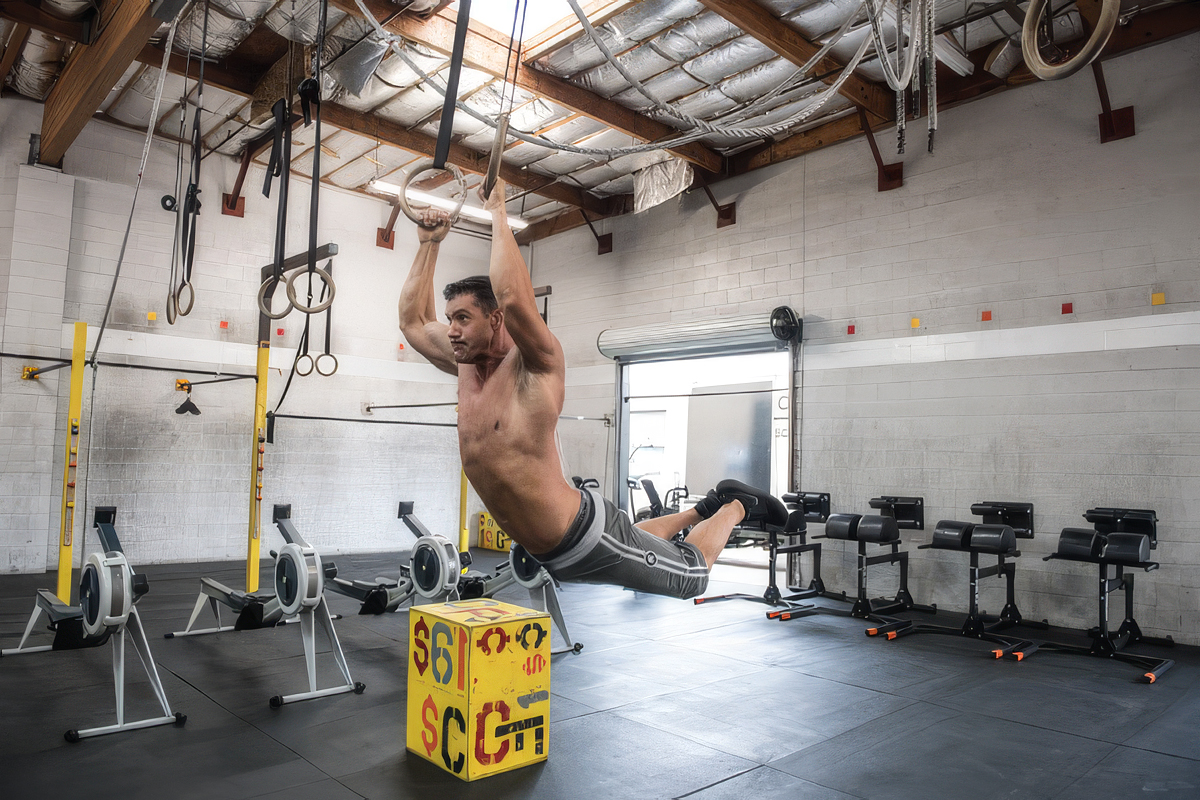
The most effective way to prevent sports injuries in teens is to combine six habits: strength and neuromuscular training, a real warm-up, rest days and off-seasons instead of year-round single-sport overload, 8–10 hours of sleep, enough food and water to fuel practice, and respecting pain. In short, many injuries come from doing too much, too soon, without a strong foundation.
As a trainer with over 30 years of personal training in San Diego, Chris Keith coaches teens 13 and up 1-on-1 with injury prevention built into every session.
Why do so many teen athletes get hurt?
First, teens are still growing, so their bones, tendons and muscles don’t always develop at the same pace. On top of that, many young athletes now play one sport all year, often on a school team and a club team at the same time. So the same joints take the same stress week after week.
In fact, the American Academy of Pediatrics estimates that about 50% of all sports injuries in kids come from overuse, according to its guide to preventing overuse injuries. Of course, sudden injuries happen too. And here’s what parents see most often:
- ACL tears: knee ligament injuries, often from landing, cutting or pivoting in soccer, basketball and volleyball.
- Ankle sprains: common in any sport with jumping or quick changes of direction.
- Shoulder and elbow overuse: typical in baseball, softball, volleyball, swimming and water polo.
- Knee and heel pain from overuse: frequent during growth spurts in runners and jumpers.
Still, you can prevent sports injuries in teens with a few consistent habits. So here’s the plan, step by step.
1. Does strength and neuromuscular training really prevent injuries?
Yes, and it’s the strategy with the strongest evidence. Neuromuscular training teaches athletes how to land, cut and decelerate with good knee and hip control. On top of that, basic strength work builds the muscles that protect knees, ankles and shoulders.
For example, an AAP clinical report, as reported by NPR, found a 72% lower risk of ACL injury in female athletes 18 and younger who used these programs. Plus, the same report noted that after puberty, ACL injuries occur up to six times more often in young women, depending on the sport. That’s why this training matters so much for teen girls in soccer, basketball and volleyball.
In practice, a good program includes:
- Squats, lunges and hip hinges with clean form before any added weight
- Jump-and-land drills that train soft, knees-over-toes landings
- Single-leg balance work to protect the ankles
- Rowing and rotator cuff exercises for throwing and overhead athletes
Of course, technique comes before load. That’s how Chris coaches every teen: weight goes on only after form is solid. If your teen is brand new to lifting, our guide to strength training for beginners explains how a safe start looks.
2. What is the right warm-up to prevent sports injuries in teens?
Next up, a real warm-up gets muscles and joints ready for fast, forceful movement. For example, Nemours KidsHealth recommends starting with light cardio like jogging or jumping jacks, then moving into dynamic stretches before play. After practice, though, static stretches held for about 30 seconds work better.
Even better, the warm-up is a perfect spot for injury-prevention drills. For instance, many ACL-prevention style warm-ups mix skipping, lateral shuffles, lunges and controlled jumps into a short routine. That way, athletes practice good movement every single day without adding extra sessions.
3. How much rest do teen athletes need from their sport?
Also, rest is one of the simplest ways to prevent sports injuries in teens, because that’s when the body adapts and repairs. According to the AAP guidance, kids should not train or compete more than 5–6 days a week. Plus, they should take at least 2 to 3 months off from any given sport during the year.
Here are a few more AAP recommendations parents can use:
| Guideline | What the AAP recommends |
|---|---|
| Weekly training increase | No more than 10% to 20% at a time |
| Days of training | No more than 5–6 days per week |
| Time away from a sport | At least 2 to 3 months per year |
| Teams per season | Ideally 1; if more, no games or practices on the same day |
| Pre-season physical | At least 6 weeks before the season |
In other words, early single-sport overload is a real risk. However, “off” doesn’t have to mean inactive. For example, a soccer player’s off-season is a great time to build strength, which is exactly the idea behind gradual progressive overload.
Text Chris at (619) 840-9099 for a free consultation.
4. How much sleep does a teen athlete need for recovery?
Next, sleep is one of the most underrated injury-prevention tools out there. The CDC recommends 8–10 hours of sleep per night for teens ages 13–17. Unfortunately, early school start times, late practices and homework make that hard.
Still, parents can help. For example, set a consistent bedtime, keep phones out of the bedroom and avoid scheduling extra training late at night. After all, a tired athlete reacts more slowly and moves with less control, especially late in a game.
5. What should teen athletes eat and drink to stay injury-free?
Also, a growing athlete needs enough fuel. The goal is simple: eat regular meals, include protein from real food at each one, and never train on an empty tank. Plus, bring a water bottle to every practice and drink before, during and after, especially on warm San Diego afternoons.
That said, this isn’t the time for diets, calorie cutting or supplements. Instead, if you have questions about your teen’s specific needs, talk with their doctor or a registered dietitian.
6. When should a teen play through pain, and when should they stop?
Finally, teach your teen to respect pain. KidsHealth warns against masking pain with medication just to keep playing. Also, it advises getting medical care for moderate or severe pain, swelling, numbness or reduced range of motion.
Just as important, a teen coming back from an injury should be cleared by a doctor or physical therapist first. After that, the return should be gradual. In fact, KidsHealth suggests increasing activity by about 10% each week after a long break. If your athlete is finishing PT, our article on strength training after physical therapy explains the next step.
How can a personal trainer help prevent sports injuries in teens?
Put simply, a trainer’s job is to fill the gaps team practice often misses. For instance, a coach running a full team practice rarely has time to fix one athlete’s landing mechanics or weak hips. But a 1-on-1 session focuses entirely on your teen.
At the private Bay Park / Morena studio, Chris trains teens 13 and up, and every session is 1-on-1. In practice, most teens do well with about 2 sessions a week, planned around their high school or club season. Also, parents are welcome at the free consultation, and for athletes under 18, a parent or guardian signs the waiver. Before starting, we suggest a check-up with your teen’s doctor.
To learn more, visit our personal training for teens in San Diego page. So, text Chris at (619) 840-9099 for a free consultation, or reach out through our contact page.
Chris Keith has over 30 years of personal training in San Diego (since 1995) and was voted Best Personal Trainer by San Diego Magazine. He trains teens 13 and up 1-on-1 at his private Bay Park / Morena studio.
Frequently Asked Questions
What are the most common sports injuries in teens?
The most common teen sports injuries include ankle sprains, knee injuries such as ACL tears, and overuse problems in the shoulder, elbow, knee and heel. In fact, the American Academy of Pediatrics estimates that about half of all sports injuries in kids come from overuse. As a result, rest days, off-seasons and gradual training increases matter as much as protective gear.
At what age can a teen start strength training to prevent injuries?
Chris Keith trains teens ages 13 and up in 1-on-1 sessions at his Bay Park / Morena studio in San Diego. First, a check-up with the teen's doctor is recommended. Then training starts with body-weight movements and technique, and weight is added only after form is solid. That way, strength builds safely and gradually around the teen's sport season.
How many days a week should a teen athlete rest?
The American Academy of Pediatrics advises that kids should not train or compete more than 5 to 6 days a week, which means at least 1 to 2 rest days. Plus, it recommends at least 2 to 3 months off from any given sport each year. Of course, that time off can still include other activities or general strength work.
Can a teen train with Chris after a sports injury?
Yes, once a doctor or physical therapist has cleared them. Coming back from a sports injury is one of the main teen focus areas at Chris Keith Personal Training. Each session is 1-on-1, so the program can progress gradually, rebuild strength around the injured area and address the movement habits that may have contributed to the injury in the first place.
How much does teen personal training cost in San Diego?
At Chris Keith Personal Training, a single 1-hour 1-on-1 session is $275, and packages range from $250 per session down to $125 per session. Plus, buddy training is available for an extra $55 per person per session, which works well for teammates. The consultation is free, so parents can ask questions before committing to anything.