
Shoulder pain when lifting overhead usually means your shoulder needs a smarter load, not total rest. For most people, the fix starts with swapping painful lifts for friendlier versions, strengthening the rotator cuff and upper back, and then building back up slowly. However, sharp pain, weakness or numbness needs a doctor’s check first.
I’ve spent over 30 years of personal training in San Diego, and sore shoulders come up all the time in my private Bay Park studio. So here’s how I coach people through it, what the research says about exercise, and the signs that mean you should get checked before you train.
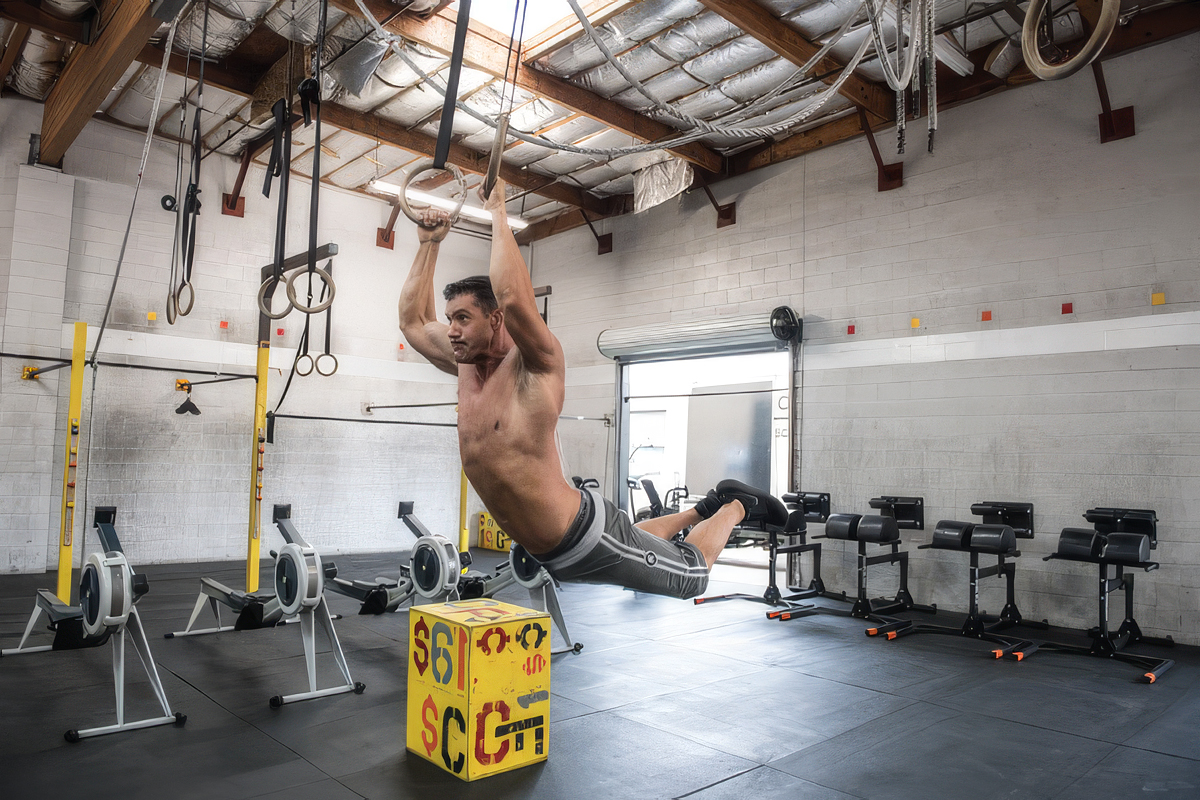
Why do you get shoulder pain when lifting overhead?
Your shoulder is the most mobile joint in your body. As a result, it depends on muscles, not just bone, to stay steady. The rotator cuff and the muscles around your shoulder blade do much of that work, especially when your arm goes overhead.
I’m a trainer, so I don’t diagnose shoulder problems. That’s a job for a doctor or physical therapist. Still, in my experience, a few training patterns show up again and again when someone feels pain overhead:
- The load jumped too fast. For example, someone adds weight, sets or a new class all in the same week.
- Too much pressing, too little pulling. In other words, the program is heavy on bench and overhead work, with few rows.
- A stiff upper back. If your mid-back can’t extend, the shoulder often has to make up the difference.
- Fatigue and form drift. Also, the last few reps of a hard set are where technique tends to fall apart.
Age and work matter too. The Mayo Clinic’s rotator cuff guide notes that rotator cuff tears are most common after age 50. In addition, it links jobs with repeated overhead reaching, and sports such as weightlifting, to a higher risk.
Should you stop lifting if you have shoulder pain when lifting?
Usually not completely. In fact, stopping all training often leaves the shoulder weaker than before. Instead, I change the exercise, the range or the load, so you keep training without poking the sore spot.
The research backs exercise as a first step. For example, a 2017 review of randomized trials in the British Journal of Sports Medicine looked at treatments for shoulder impingement. Exercise reduced pain more than non-exercise control treatments, and specific shoulder exercises beat generic ones. However, the authors rated the evidence as very low quality, so it’s a reasonable place to start, not a guarantee.
That matches what I’ve seen in over 30 years of coaching. Here’s the simple rule I use in my studio. Mild discomfort that stays steady during a set and calms down by the next day is usually fine. On the other hand, pain that sharpens during the set, or is worse the next morning, means we scale back.
How do you train around shoulder pain when lifting?
The goal is to keep the strength you’ve built while the shoulder settles down. So I swap the moves that hurt for versions that put the arm in a friendlier position. Here are the swaps I use most often:
| If this lift hurts | Try this instead | Why it often feels better |
|---|---|---|
| Barbell overhead press | Half-kneeling landmine press | The arm moves up and forward, not straight overhead |
| Behind-the-neck press or pulldown | Front pulldown with a neutral grip | Less twisting at the end of the range |
| Wide-grip barbell bench press | Neutral-grip dumbbell floor press | The floor limits how deep the elbows go |
| Dips | Incline push-ups | Easy to adjust, and the shoulder blade moves freely |
| Kipping pull-ups | Band-assisted pull-ups or lat pulldowns | Slower, controlled reps you can stop at any point |
| Upright rows | Lateral raises slightly forward of your body | The arm stays in a comfortable plane |
Then I add more pulling. For instance, I’ll often program two sets of rows for every set of pressing while a shoulder is cranky. Also, keep training your legs, core and the other arm. After all, a sore shoulder is no reason to lose fitness everywhere else.
What exercises build a stronger shoulder?
Once the painful lifts are swapped out, I focus on the muscles that steady the shoulder. These are the moves I come back to most:
- Band external rotations: Keep your elbow at your side and rotate your forearm out against a light band. Move slowly, and stop short of pain.
- Chest-supported dumbbell rows: Lying face down on an incline bench keeps your back still. As a result, the upper back does the work.
- Face pulls with a band or cable: Pull toward your forehead and finish with your hands wide, like a double-biceps pose.
- Push-up plus: At the top of a push-up (on a bench at first), push the floor away a little further to move your shoulder blades.
- Farmer’s and overhead carries: Carrying weight builds grip and shoulder control. However, save overhead carries for later, once pressing feels good.
If you have shoulder pain when lifting, two or three of these moves, two or three days a week, is plenty to start. My guide to rotator cuff exercises lays out a full three-phase plan. Also, the CDC’s physical activity guidelines recommend muscle-strengthening work at least two days a week for adults. Those sessions should cover all the major muscle groups, shoulders included.
How do you get back to overhead lifting?
Return in steps, and change only one thing at a time. That way, if the shoulder complains, you know what caused it. Here’s the order I usually follow:
- Start with the swaps above until they feel easy for a couple of weeks.
- Next, press with one dumbbell at a time, standing tall, in a range that feels good.
- Then add weight gradually, while the reps stay smooth.
- Finally, bring back the barbell or kettlebell overhead press, starting well below your old working weight.
Technique matters at every step. For example, keep your ribs down, squeeze your glutes and finish with your biceps close to your ear. If you lift often, my article on weightlifter’s shoulder covers six habits that help prevent problems in the first place.
Want a plan built around your shoulder? Text Chris at (619) 840-9099 for a free consultation.
How does a personal trainer help with shoulder pain when lifting?
In my studio, I start by watching you move. For instance, I check how your arm goes overhead, how your upper back moves and how you row and press. Then I choose exercises you can do well and progress them week by week. I call this approach The Chris Keith Method.
Keep in mind that I don’t diagnose or treat injuries. However, if a doctor or physical therapist is treating your shoulder, I’m glad to work alongside them. My strength training after physical therapy program is built for exactly that handoff.
When should you see a doctor or physical therapist?
Minor aches often settle with time and smarter training. However, some signs need a medical check before you lift again. The Mayo Clinic’s shoulder pain guide lists several, and I’d add a few more. See a doctor or physical therapist if you notice:
- Numbness, tingling or weakness in your arm or hand
- Trouble lifting your arm away from your body, or sudden weakness after an injury
- Pain at night or at rest that doesn’t ease
- Pain, swelling or a misshapen joint after a fall or accident (get urgent care)
- Redness, warmth, swelling or a fever around the joint
- Pain that keeps getting worse, or movement that keeps getting harder
- Shoulder pain with chest tightness, sweating or trouble breathing (call 911)
In short, if something feels unusual, get it checked first. Then, once you’re cleared, come back to training.
Frequently Asked Questions
Is it OK to lift weights with shoulder pain?
Often it is, as long as you change what hurts. Swap painful lifts for friendlier versions, lower the load and add more rows and rotator cuff work. Mild discomfort that settles by the next day is usually fine. However, sharp pain, weakness, numbness or pain after a fall means you should see a doctor or physical therapist before you keep lifting.
Why does my shoulder hurt when I press overhead?
There are many possible reasons, and only a doctor or physical therapist can tell you which one applies. In my experience, common training factors include adding weight too fast, pressing much more than pulling, a stiff upper back and form that breaks down when you’re tired. So I look at the whole program, not just the one painful exercise.
What is a good overhead press alternative for sore shoulders?
The half-kneeling landmine press is my favorite swap. Your arm moves up and forward instead of straight overhead, which many people find more comfortable. Other good options are the neutral-grip dumbbell floor press and incline push-ups. Then, as your shoulder improves, you can work back toward a single-arm dumbbell press and later a full overhead press.
How long should I rest a sore shoulder?
It varies, and nobody can promise a timeline. In my experience, complete rest is rarely needed for everyday training aches. Instead, I reduce the load and range, avoid the moves that hurt and keep training everything else. However, if pain keeps getting worse, wakes you at night or follows an injury, stop and get it checked by a doctor.
Can a personal trainer fix shoulder pain?
A personal trainer can’t diagnose or treat shoulder pain. However, a good trainer can adjust your program, coach your technique and build strength in your rotator cuff and upper back. If you have red-flag symptoms or a known injury, see a doctor or physical therapist first. After that, a trainer can work alongside them as you get back to lifting.
Research and Guidelines Cited
- Steuri R, et al. Effectiveness of conservative interventions including exercise, manual therapy and medical management in adults with shoulder impingement: a systematic review and meta-analysis of RCTs. British Journal of Sports Medicine, 2017.
- Centers for Disease Control and Prevention. Adult Activity: An Overview (Physical Activity Guidelines for Americans).
- Mayo Clinic. Rotator cuff injury: symptoms and causes.
- Mayo Clinic. Shoulder pain: when to see a doctor.
Ready to lift without a cranky shoulder? Text Chris at (619) 840-9099 for a free consultation, or contact Chris online. Sessions are private and 1-on-1 at the studio at 5260 Riley St in Bay Park, an easy drive from Mission Bay, Clairemont and Old Town.
Chris Keith has over 30 years of personal training in San Diego (since 1995) and was voted Best Personal Trainer by San Diego Magazine.