
Weightlifter’s shoulder, also called distal clavicular osteolysis or AC joint osteolysis, is pain at the top of the shoulder caused by repetitive stress that wears down the end of the collarbone. It’s common in lifters and anyone who does a lot of pressing or overhead work. Most cases get better with rest and rehab, and smart programming helps prevent it.
Injuries to the AC joint, where the collarbone meets the shoulder blade, are some of the most common training-related shoulder problems I see. In more than 30 years of coaching in San Diego, I’ve helped plenty of lifters train around this issue. Even better, I’ve helped them avoid it in the first place. So here’s what you should know.
What is weightlifter’s shoulder?
Weightlifter’s shoulder is a painful condition where the outer end of the collarbone (clavicle) breaks down faster than your body can repair it. Repetitive stress causes tiny stress fractures at the end of the bone. Over time, the area gets inflamed and the bone starts to erode, which is what “osteolysis” means. If you ignore it, it can contribute to long-term joint problems.
Who gets weightlifter’s shoulder?
As the name suggests, it’s most common in powerlifters, weightlifters and people who lift a lot. But anyone who repeats pressing or overhead motions can get it. For example, it shows up in martial artists, boxers, racquet sport players, rugby players and golfers. It also hits people with physical jobs, like construction workers, hair stylists and military members.
What parts of the shoulder does weightlifter’s shoulder affect?
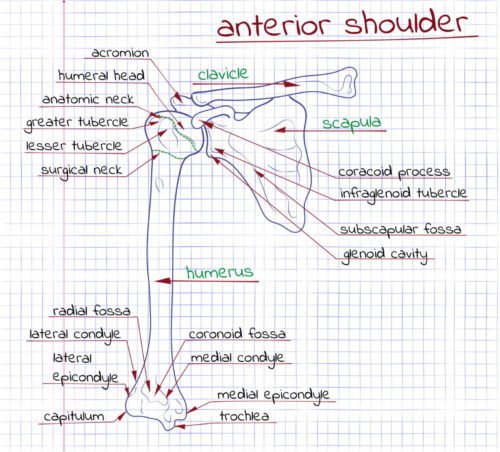
The shoulder includes three bones: the collarbone, the shoulder blade and the upper arm bone. The AC joint connects the collarbone to a bony point on the shoulder blade called the acromion. Ligaments and a small cushioning disc hold the joint together and absorb force. In weightlifter’s shoulder, the end of the collarbone and these supporting tissues can all be affected.
What causes weightlifter’s shoulder?
Most cases come from compressing the AC joint over and over, especially when the bone doesn’t get enough recovery between sessions. In the gym, a common culprit is letting the elbows drop too far below or behind the body on bench presses, dumbbell presses, flys and dips. That position stresses the joint on every single rep. Less often, a direct blow or an old AC joint injury plays a role.
What are the symptoms of weightlifter’s shoulder?
- Tenderness or pain when pressing on the top of the shoulder
- A dull ache around the AC joint
- Swelling near the end of the collarbone
- A general feeling of shoulder weakness
- Pain that gets worse later in the day or evening after upper-body workouts
How is weightlifter’s shoulder diagnosed and treated?
A doctor or physical therapist usually diagnoses it from a physical exam and your history, sometimes with a cross-body arm test and imaging like an X-ray or MRI. If you have these symptoms, get them checked. Don’t just train through the pain.
Most people do well with conservative care: a break from heavy pressing, icing and physical therapy, plus any medication or other treatment your doctor recommends. While you recover, it’s usually smart to skip dips, bench press, push-ups and throwing motions. Still, you can keep up your cardio and lower-body training. In more stubborn cases, a surgeon may recommend a procedure to trim the end of the collarbone, followed by rehab. Your medical team will help you pick the option that fits you.
How do you prevent weightlifter’s shoulder?
Prevention comes down to smart programming and technique. That’s where a good trainer earns their keep:
- Control the bottom of the press. Don’t let the elbows drop too far below the body, and use a range of motion your shoulders handle well.
- Balance your program. Pair every push with a pull, and use sensible splits such as heavy-light, upper-lower or front-back days.
- Rotate exercises. For example, swap some barbell bench work for neutral-grip dumbbell presses or landmine presses.
- Build the upper back. Strong shoulder-blade muscles take stress off the joint. See exercises for rounded shoulders.
- Progress gradually. Big jumps in weight or volume are a classic trigger. Read about gradual progressive overload.
- Recover well. Sleep, rest days and not smoking all support bone and tissue health. The CDC recommends at least 2 days of muscle-strengthening activity a week, which leaves plenty of room for recovery between hard upper-body sessions.
Can a personal trainer help you avoid weightlifter’s shoulder in San Diego?
Yes. A trainer watches your form on every rep, adjusts your range of motion and builds a balanced split so no single joint takes a beating. And if you’re coming back from shoulder pain, they can work with your physical therapist too. In my private Bay Park / Morena studio, joint-friendly lifting is part of every program. See also rotator cuff exercises, strength training after physical therapy and my rates.
This article is for general education and isn’t medical advice. See a doctor for shoulder pain, swelling or weakness.
Want to keep lifting without shoulder pain? Text Chris at (619) 840-9099 for a free consultation.
Related reading: Forward Head Posture and Tech Neck: Causes and Fixes
Frequently Asked Questions
Have a question that isn’t covered here? See the full personal training FAQ.
What does weightlifter’s shoulder feel like?
It usually feels like a dull ache or tenderness right on top of the shoulder, where the collarbone ends. The pain often gets worse during or after pressing exercises like bench press, push-ups or dips. It may also be worse in the evening after an upper-body workout.
How long does weightlifter’s shoulder take to heal?
With rest from the exercises that aggravate it and a good rehab plan, many people improve within six to eight weeks. More severe cases can take longer or need more treatment. Your doctor or physical therapist can give you a timeline for your situation.
Can I still work out with weightlifter’s shoulder?
Usually, yes, with some changes. Most people keep training legs, core and cardio while skipping the pressing and overhead moves that hurt. Still, follow your doctor’s or physical therapist’s guidance on what’s safe during recovery.
How can I prevent weightlifter’s shoulder when bench pressing?
Control the depth of the press so your elbows don’t drop far below your body, use a moderate grip, balance your pressing with pulling, and add weight gradually. Also, swapping some barbell work for neutral-grip dumbbell presses can take stress off the AC joint.
Chris Keith has over 30 years of personal training in San Diego (since 1995) and was voted Best Personal Trainer by San Diego Magazine. He trains clients one-on-one at his private studio in Bay Park / Morena. Learn more about Chris or contact Chris to get started.