The best exercise recovery tips are simple: keep moving with light activity, drink enough water, eat protein-rich whole foods, stretch after training, sleep well and stay consistent. Some soreness after a new routine is normal. It’s your body adapting, and within a few weeks it’s replaced by more energy, strength and confidence.
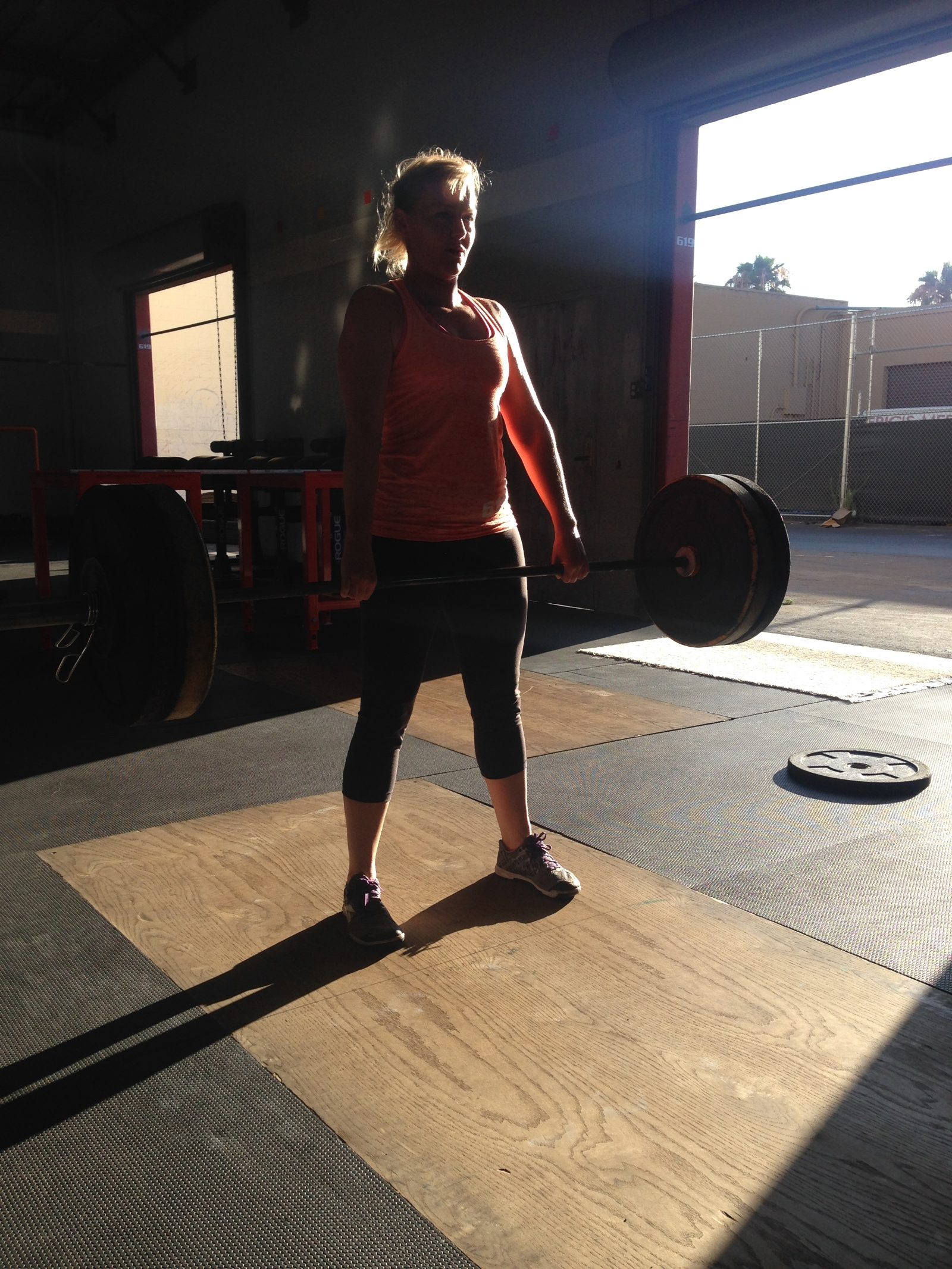
After a good workout, especially when you’re just starting, it’s normal to feel sore and a little tired. It’s also easy to get discouraged by it. But that soreness is your body responding to the positive changes you’re making. So take it as a chance to check in with yourself and remember why you started. In fact, write your reason down and put it somewhere you’ll see it every day.
Why do exercise recovery tips matter?
Your body gets stronger between workouts, not during them. Training creates the challenge, and recovery is when your muscles, tendons and energy systems adapt. As a result, good recovery habits help you feel better, train more consistently and see results sooner. In more than 30 years of training clients in San Diego, I’ve seen it again and again: the people who recover well are the ones who stick with it.
Here are the six exercise recovery tips I share with every new client.
1. Keep moving with active recovery
When you’re tired, it’s tempting to sit on the couch all day. As you get fitter, there will be times when full rest is the right choice. But while you’re still adjusting to a new routine, active recovery usually works better. That means 15 to 30 minutes of low-intensity movement, such as walking, an easy bike ride, light swimming or yoga. It improves blood flow, eases stiffness and feels good for body and mind.
2. Stay hydrated
Water plays a part in nearly everything your body does, from circulation and digestion to temperature control and joint health. Even mild dehydration can leave you feeling weak, tired, headachy or irritable. So drink water steadily throughout the day, and a little more around workouts and on hot San Diego days. A simple check: if your urine is pale yellow, you’re usually on track.
3. Eat to repair
Food is the raw material for recovery. Build your meals around:
- Lean protein such as chicken, turkey, fish, eggs and Greek yogurt
- Slow-digesting carbohydrates such as oats, quinoa, sweet potatoes and legumes
- Vegetables such as spinach, kale and broccoli
- Healthy fats such as nuts and avocado
These foods give your body the protein, fiber, vitamins and minerals it needs to rebuild. For ideas, see how meal prep keeps you on track and the health benefits of sweet potatoes.
4. Stretch after training
After your workout, take 10 to 15 minutes to stretch and cool down. Stretching can improve flexibility, ease tightness and help you relax. For example, try calf, hamstring, hip flexor, chest and upper-back stretches, holding each for about 30 seconds. For daily routines, read mobility exercises.
5. Sleep and manage stress
Sleep is when much of your recovery happens, so aim for 7 or more hours a night. Also, manage stress where you can. When you feel discouraged, stand up, lift your chest, take a few deep breaths and remind yourself that you can do this. Dare to fail: the only person who never fails is the person who never tries.
6. Be consistent
Fitness is amazing, and it’s also challenging. But consistency makes it a lot easier. When you train regularly, you make bigger gains, enjoy your workouts more and feel less wiped out afterward. Plus, many foundational movements are technical, so the more you practice them, the better they feel. In short, these exercise recovery tips only work if you use them week after week.
How long should recovery take between workouts?
Most people need about 48 hours before training the same muscle group hard again. That’s why full-body sessions two or three times a week, with easier days in between, work so well. If you’re still very sore, stiff or tired, take an extra easy day. Soreness that lasts more than a few days, or sharp pain in a joint, is a sign to back off and possibly see a doctor. New to training and feeling it? Read sore after working out? what’s normal and what helps.
Can a personal trainer help with exercise recovery in San Diego?
Yes. A trainer balances hard and easy days, adjusts your workouts to how you’re recovering and helps with nutrition, so you keep progressing without burning out. In my private Bay Park / Morena studio, I scale every program to your fitness level and recovery. See my rates and the Chris Keith Method. For weekly activity targets, the CDC recommends 150 minutes of moderate activity plus 2 strength days a week.
Want a plan that balances training and recovery? Text Chris at (619) 840-9099 for a free consultation.
Frequently Asked Questions
Have a question that isn’t covered here? See the full personal training FAQ.
What are the best exercise recovery tips for beginners?
Keep moving with light activity, stay hydrated, eat protein-rich whole foods, stretch after training, sleep at least 7 hours and train consistently. Together, these habits reduce soreness, help your muscles repair and keep you motivated.
Is it OK to work out when sore?
Mild soreness is usually fine for light activity or training different muscle groups. If you’re very sore, stiff or tired, choose active recovery like walking or yoga instead. Sharp or joint pain is a reason to rest and possibly see a doctor.
How long does muscle soreness last after exercise?
Muscle soreness after a new or harder workout usually peaks one to two days later and fades within three to four days. It gets less intense as your body adapts to regular training.
What is active recovery?
Active recovery is 15 to 30 minutes of low-intensity movement such as walking, easy cycling, light swimming or yoga. It keeps blood flowing, eases stiffness and helps you feel better between harder workouts.
Chris Keith has over 30 years of personal training in San Diego (since 1995) and was voted Best Personal Trainer by San Diego Magazine. He trains clients one-on-one at his private studio in Bay Park / Morena. Learn more about Chris or contact Chris to get started.