
Mobility exercises train your joints to move actively through their full, pain-free range of motion. That’s different from just stretching. Good mobility helps your posture, performance and balance. It also helps prevent the injuries that come from your body compensating somewhere else. The best methods include dynamic stretching, foam rolling, yoga and joint-specific drills.
Mobility is one of the most overlooked parts of fitness. That goes for athletes, weekend warriors and anyone who just wants to stay active and independent. My own interest in it grew out of family health challenges, which you can read about on my About page. Since then, helping people move better has been a big part of my work in San Diego.
What is mobility?
Mobility is the ability of a joint, or a chain of joints, to move through its full range of motion with control and without pain. Flexibility is part of it, but mobility also requires strength and coordination. That’s why stretching alone often isn’t enough.
Limited mobility forces your body to compensate. For example, stiff hips can make your lower back overarch, which may lead to pain. On the other hand, good mobility lets you move through bigger ranges safely, which helps in lifting, running and jumping.
What are the benefits of mobility exercises?
- Better posture. Mobility work helps correct imbalances that pull you out of alignment.
- More range of motion. Joints move more freely and comfortably.
- Improved balance and coordination. That lowers the risk of falls.
- Less stress. Slow, controlled movement and breathing help you relax.
- Better quality of life. Less stiffness and pain makes daily life easier.
How do mobility exercises help prevent injuries?
Injury prevention may be the biggest benefit of all. That’s because poor mobility in one area often shifts stress to another:
- Back pain can follow limited hip and upper-back mobility.
- Shoulder pain can come from stiff shoulders and a weak rotator cuff.
- Knee pain often relates to tight hips and ankles.
- Plantar fasciitis can be linked to tight calves and ankles. See plantar fasciitis relief.
- Tennis elbow can stem from overuse with limited elbow and wrist mobility.
- Shin splints are often tied to stiff ankles and feet.
What are the signs you need more mobility exercises?
- Joint discomfort during or after activity
- Stiffness or trouble moving through a full range
- Frequent strains in the same area
- A drop in performance
- Lingering soreness in one spot after workouts
If any of these sound familiar, adding some mobility work to your routine can help. But see a doctor for sharp, persistent or worsening pain.
What are the best mobility exercises and methods?
- Dynamic stretching. Move through a range instead of holding still. Think arm swings, leg swings and torso rotations.
- Foam rolling. Roll tight muscles to ease tension and improve blood flow.
- Yoga. Many poses build flexibility and strength together.
- Self-myofascial release. Use a lacrosse ball or massage stick to work on specific tight spots.
- Active isolated stretching. Hold each stretch for just 2 to 3 seconds, release and repeat several times.
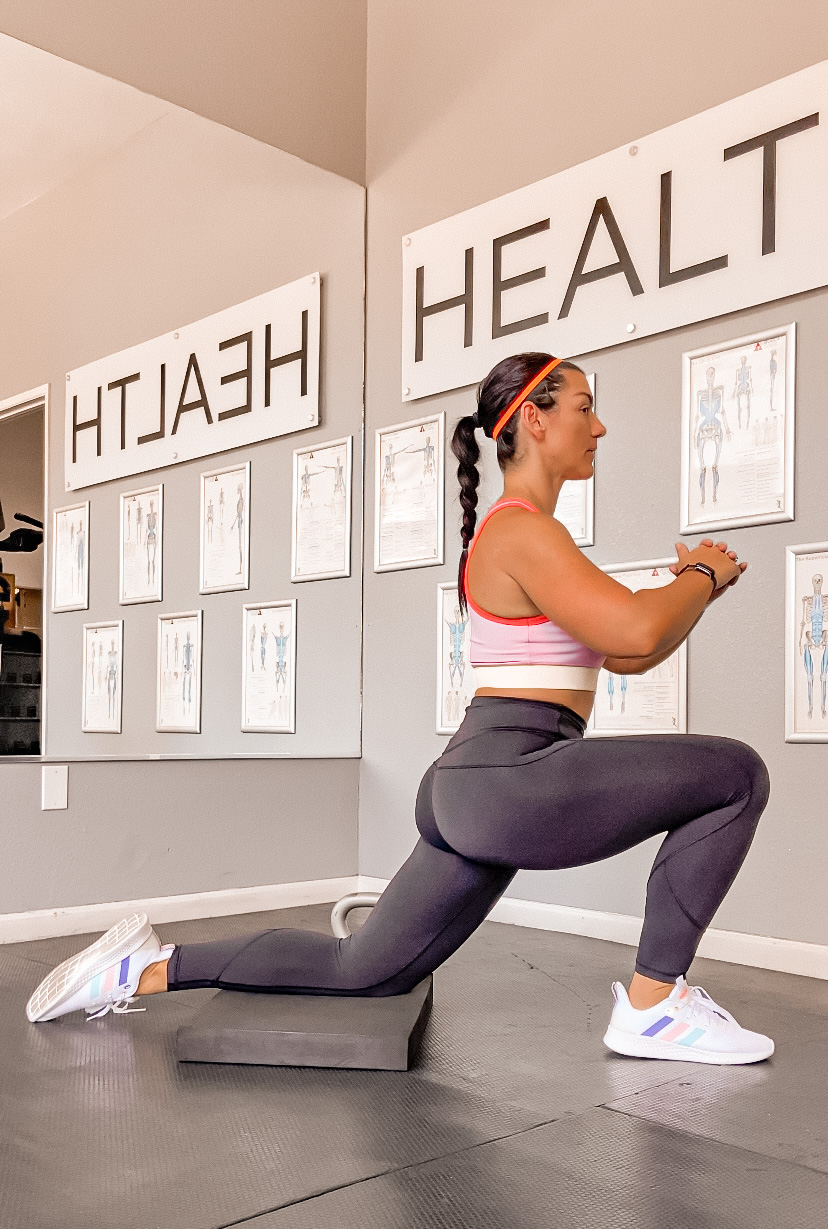
- Joint mobility drills. For example, ankle rotations, hip circles, half-kneeling hip flexor rocks and shoulder rotations.
What does a simple 10-minute mobility routine look like?
- Cat-cow: 10 slow reps to loosen the spine
- Hip circles: 10 each direction, standing or on hands and knees
- Half-kneeling hip flexor rocks: 10 per side
- Thoracic rotations: 8 per side, lying on your side with knees bent
- Ankle rocks: 10 per side, driving the knee over the toes against a wall
- Arm circles and shoulder rolls: 10 each direction
- Deep squat hold: 30 to 60 seconds, holding onto something if needed
Move slowly and breathe deeply the whole time. Within a few minutes you’ll feel looser. Then, over a few weeks, you’ll see steady progress.
How often should you do mobility exercises?
A few minutes most days works better than one long session a week. Start with 5 to 10 minutes as part of your dynamic warm-up, then add a longer session once or twice a week. Also, keep in mind that mobility is maintenance. The range you have today won’t last without regular practice. For lifters, see also front rack mobility drills.
Can a personal trainer help with mobility in San Diego?
Yes. I build mobility work into every client’s program to improve joint health, cut down on pain and boost performance. A good trainer can pinpoint exactly which joints are holding you back and pick the right drills. That’s why, in my private Bay Park / Morena studio, every program starts with how you move. See my rates, and for weekly activity targets, see the CDC’s adult activity guidelines. You might also enjoy the benefits of low-impact aerobics.
Ready to move better? Text Chris at (619) 840-9099 for a free consultation.
Related reading: Exercise During Pregnancy: 12 Safe Tips · Forward Head Posture and Tech Neck: Causes and Fixes
Frequently Asked Questions
Have a question that isn’t covered here? See the full personal training FAQ.
What is the difference between mobility and flexibility?
Flexibility is how far a muscle can lengthen, often passively. Mobility is how well a joint moves actively through its full range with control and strength. Mobility exercises train both the range and the control you need to use it.
How often should I do mobility exercises?
Aim for 5 to 10 minutes most days, for example as part of your warm-up, plus one or two longer sessions a week. Short, frequent practice works better than occasional long sessions.
What are good mobility exercises for beginners?
Start with leg swings, arm circles, hip circles, ankle rotations, cat-cow, half-kneeling hip flexor rocks and gentle foam rolling. Move slowly, breathe, and stay in a comfortable, pain-free range.
Can mobility exercises reduce joint pain?
They often help by improving range of motion and reducing stress on overworked areas. But pain has many causes, so see a doctor or physical therapist for sharp, lasting or worsening joint pain.
Chris Keith has over 30 years of personal training in San Diego (since 1995) and was voted Best Personal Trainer by San Diego Magazine. He trains clients one-on-one at his private studio in Bay Park / Morena. Learn more about Chris or contact Chris to get started.