
Low impact aerobics are steady cardio activities where at least one foot stays on the ground or your body is supported, like walking, cycling, rowing, swimming and the stair climber. They’re good for your heart, your endurance and fat burning, and they go easy on your joints. So they’re a smart pick for beginners, older adults and anyone coming back from an injury.
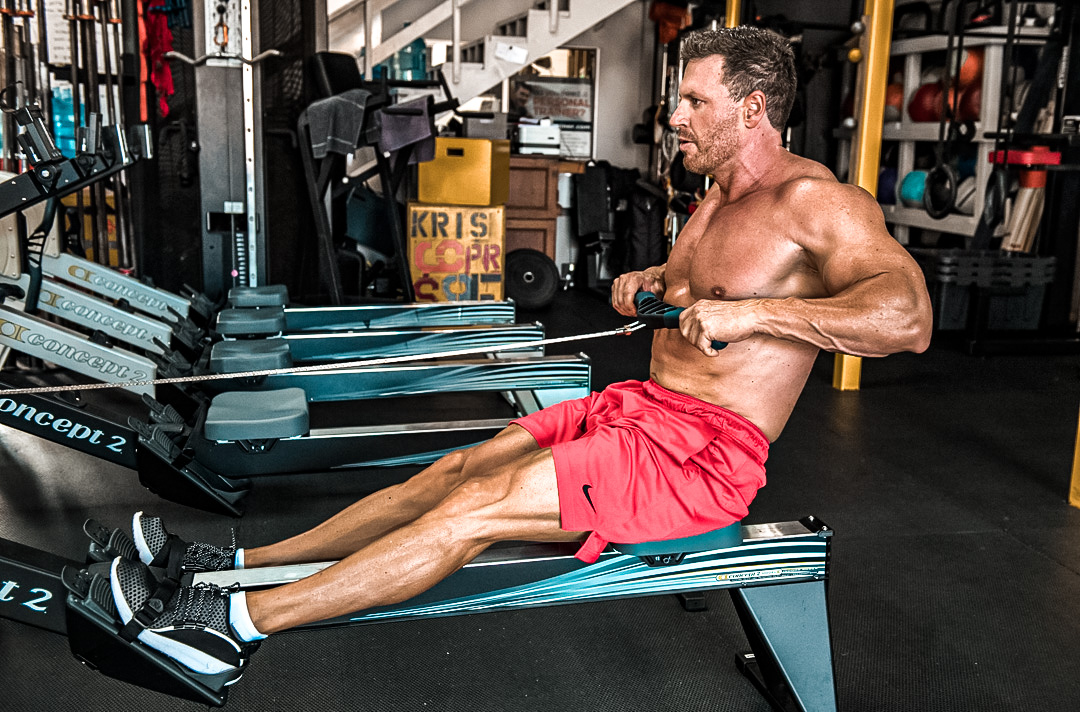
Low impact aerobics are one of the most sustainable ways to get fitter, and I use them with San Diego clients of every age. You get the benefits of cardio without the pounding that high-impact workouts put on your knees, hips and back.
What are low impact aerobics?
Aerobic exercise is moderate-intensity activity you can keep up for a while, and it gets your breathing and heart rate up. It comes in high- and low-impact forms. High-impact options, like running and jumping, have both feet leaving the ground. Low impact aerobics, on the other hand, keep at least one foot down or support your body, so your joints take much less stress.
What are the benefits of low impact aerobics?
1. Better overall fitness
Low impact cardio builds endurance, improves blood flow to your muscles and can speed recovery between harder sessions. That’s why it’s a great starting point for beginners and a smart addition for experienced athletes.
2. A healthier heart
Heart disease and stroke are leading causes of death in the U.S. Regular aerobic activity helps lower those risks. The CDC recommends that adults get at least 150 minutes of moderate-intensity activity each week, such as 30 minutes on five days, plus muscle-strengthening activity on at least 2 days.
3. Fat burning
During longer, moderate sessions, your body burns a mix of fat and carbs for fuel. Paired with sensible eating and strength training, regular low impact aerobics support steady fat loss. A few of my favorites are the stair climber, the rower and an air bike.
4. Easier on your joints
Low impact aerobics give you many of the same benefits as high-impact cardio with far less stress on your joints. So they’re ideal for avoiding overuse injuries, and for people coming back from one. Still, pick the right activity for your body, and check with your doctor if you have a joint problem or other health condition.
5. Better mood and energy
Finally, regular aerobic activity is linked to better mood, sleep and mental health. In fact, many people find a steady ride, walk or row clears their head after a stressful day. See also Movement Is Medicine for the Brain.
Are low impact aerobics as effective as high-impact cardio?
For most health goals, yes. Low impact doesn’t have to mean low intensity. For example, pushing hard on a rower, air bike or steep incline walk can raise your heart rate just as much as running. The real difference is the pounding on your joints. High-impact training like running and jumping still has a place, especially for bone health and sports. But most people can get fitter, leaner and healthier with mostly low impact aerobics, and many stay more consistent because they feel better doing it.
What are the best low impact aerobics options?
- Brisk walking or incline walking, outdoors or on a treadmill
- Cycling, on a stationary bike, an air bike or outdoors
- Rowing, which also builds the back and legs. See my rowing technique guide
- Swimming and water aerobics, which are especially joint-friendly
- The stair climber or an elliptical
- Low impact cardio circuits using step-ups, marching, light kettlebell work and shadowboxing
How do you build a weekly low impact aerobics plan?
Here’s a simple way to start. First, pick two or three activities you enjoy. Next, do 20 to 30 minutes on three days a week at a pace where you can talk in short sentences. Then add 5 minutes per session every week or two until you reach 150 minutes a week. Also, add two strength sessions, since strength training and cardio work best together. For more ideas, see functional training workouts and exercise recovery tips.
Can a personal trainer help with low impact aerobics in San Diego?
Yes. A trainer can pick the right low impact options for your joints and goals, set the right intensity, and pair cardio with strength work for the best results. At my private Bay Park / Morena studio, I build low-impact conditioning into programs for clients of every age. See my rates and the Chris Keith Method.
Want a joint-friendly cardio plan? Text Chris at (619) 840-9099 for a free consultation.
Related reading: Exercise During Pregnancy: 12 Safe Tips · 30-Day Rowing Challenge: How to Crush Rowvember
Frequently Asked Questions
Have a question that isn’t covered here? See the full personal training FAQ.
What counts as low impact aerobics?
Low impact aerobics include any steady cardio where at least one foot stays on the ground or your body is supported, such as brisk walking, cycling, rowing, swimming, water aerobics, the elliptical and the stair climber.
Can low impact aerobics help with weight loss?
Yes. Regular low impact aerobics burn calories and support fat loss, especially alongside strength training and sensible eating. And because they’re easier on the joints, many people can do them more often, and more consistently, than high-impact workouts.
How much low impact cardio should I do?
The CDC recommends at least 150 minutes of moderate aerobic activity a week, such as 30 minutes on five days, plus two days of strength training. Beginners can start with 20 to 30 minutes three times a week and build up gradually.
Is low impact cardio good for bad knees?
Low impact options like cycling, swimming, rowing and walking are often much more comfortable for sore knees than running or jumping. Check with your doctor or physical therapist if you have a diagnosed knee problem.
Chris Keith has over 30 years of personal training in San Diego (since 1995) and was voted Best Personal Trainer by San Diego Magazine. He trains clients one-on-one at his private studio in Bay Park / Morena. Learn more about Chris or contact Chris to get started.