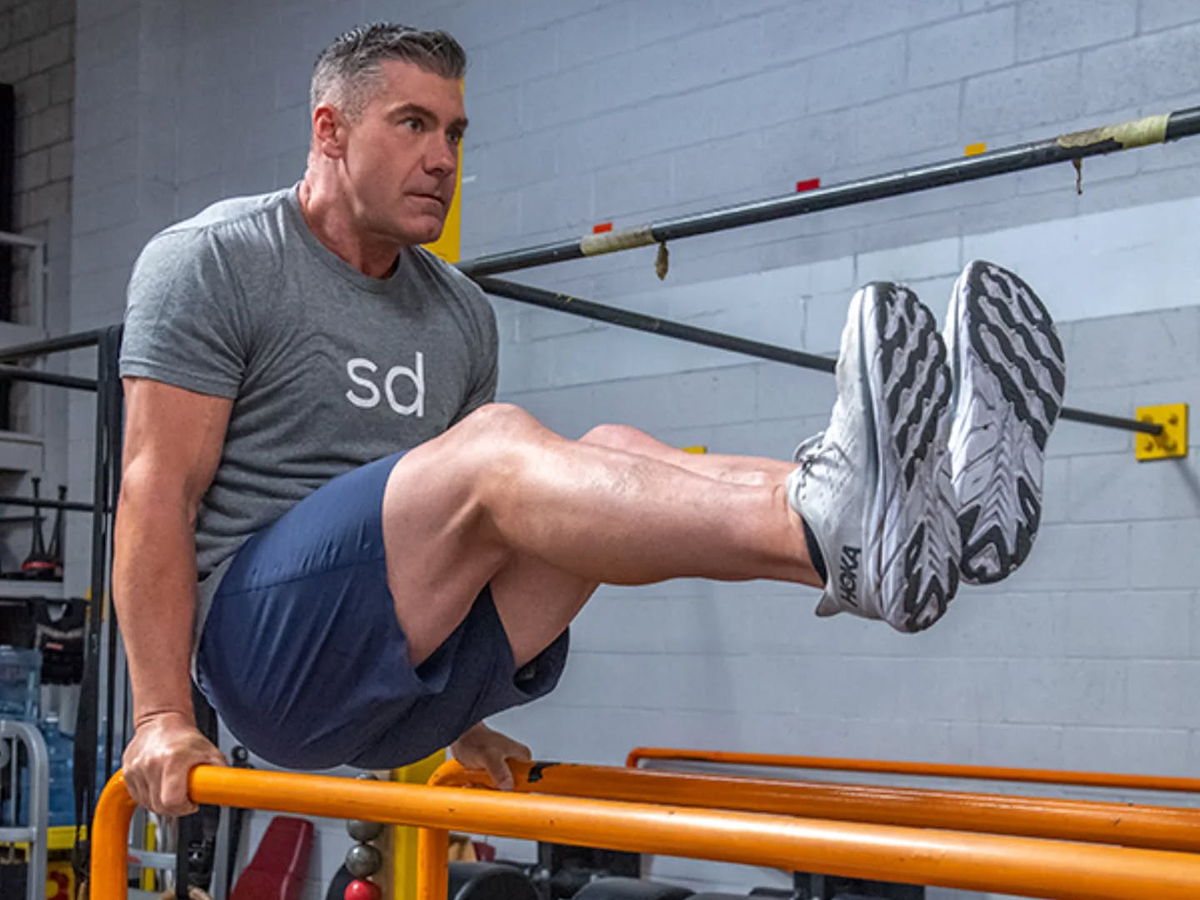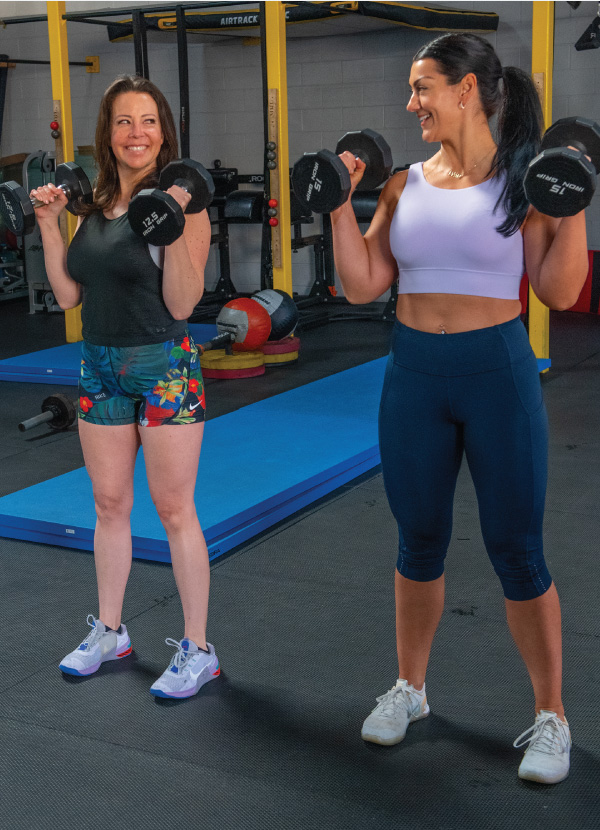

Progressive Overload: How to Get Stronger Without Getting Hurt
Progressive overload is how you keep getting stronger. Learn 5 ways to progress safely, how much to add, and the warning signs, from a San Diego trainer.

Progressive overload is how you keep getting stronger. Learn 5 ways to progress safely, how much to add, and the warning signs, from a San Diego trainer.
How does exercise for mental health work? Learn how movement changes brain chemistry, eases stress and protects memory, plus a simple weekly routine.
Exercise and the brain are closely linked. Learn how training rewires habits, builds resilience and boosts BDNF, plus simple ways to start this week.
Getting back into exercise after a break? Learn why the first workout feels hardest, how momentum works in your brain, and a simple 4-week restart plan.
Evidence-based fitness skips the trends and sticks to what research shows works: strength, daily movement, good food, sleep, stress control and connection.
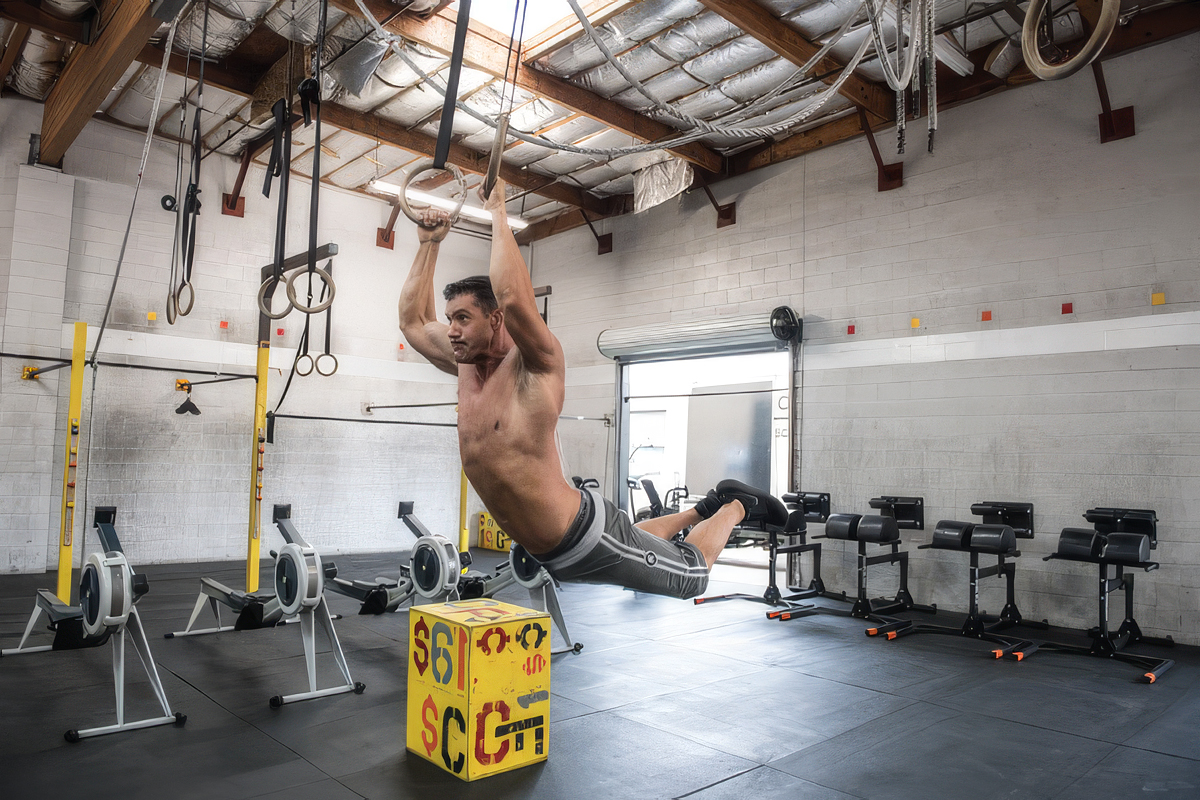
A 14-day intermediate workout plan mixing strength circuits, conditioning and cardio days. Includes sets, reps, recovery days and how to scale it for you.
Rounded shoulders come from desk posture, repetitive tasks and muscle imbalance. Learn 7 simple exercises and stretches a San Diego trainer uses to fix them.
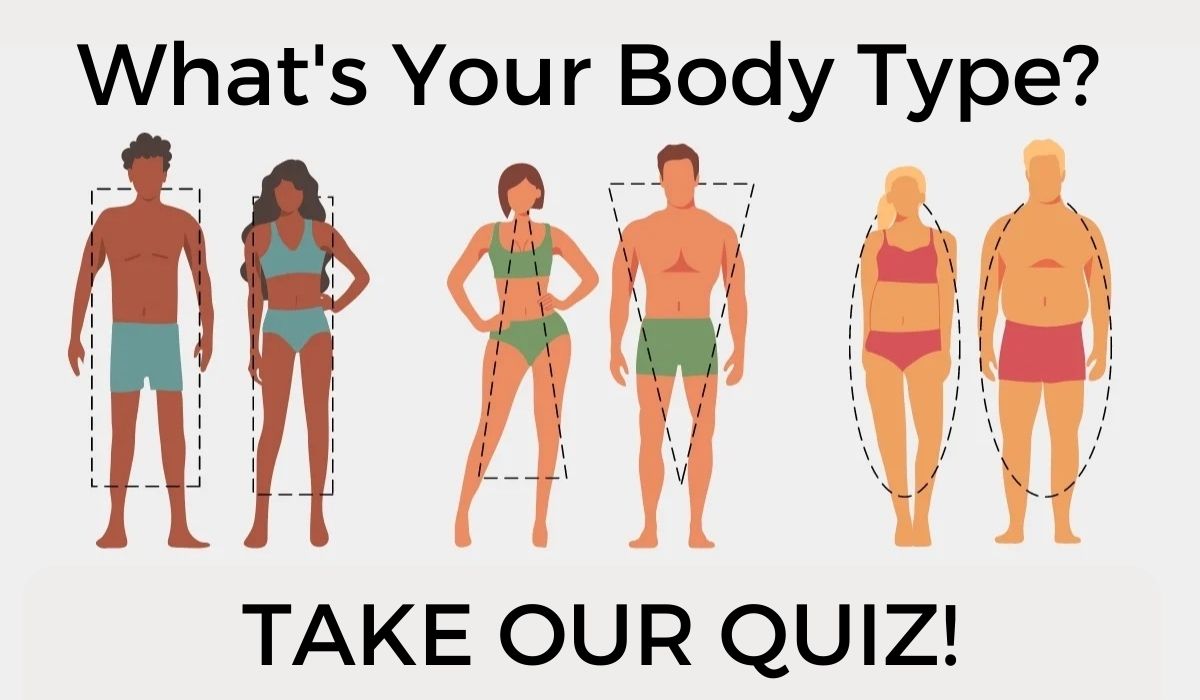
Take this 8-question body type quiz to see if you lean ectomorph, mesomorph or endomorph, then get training and nutrition tips from a San Diego trainer.
Zombie cells are aging cells that stop dividing but won't die, fueling inflammation. Learn what the research says and how exercise and diet may help.
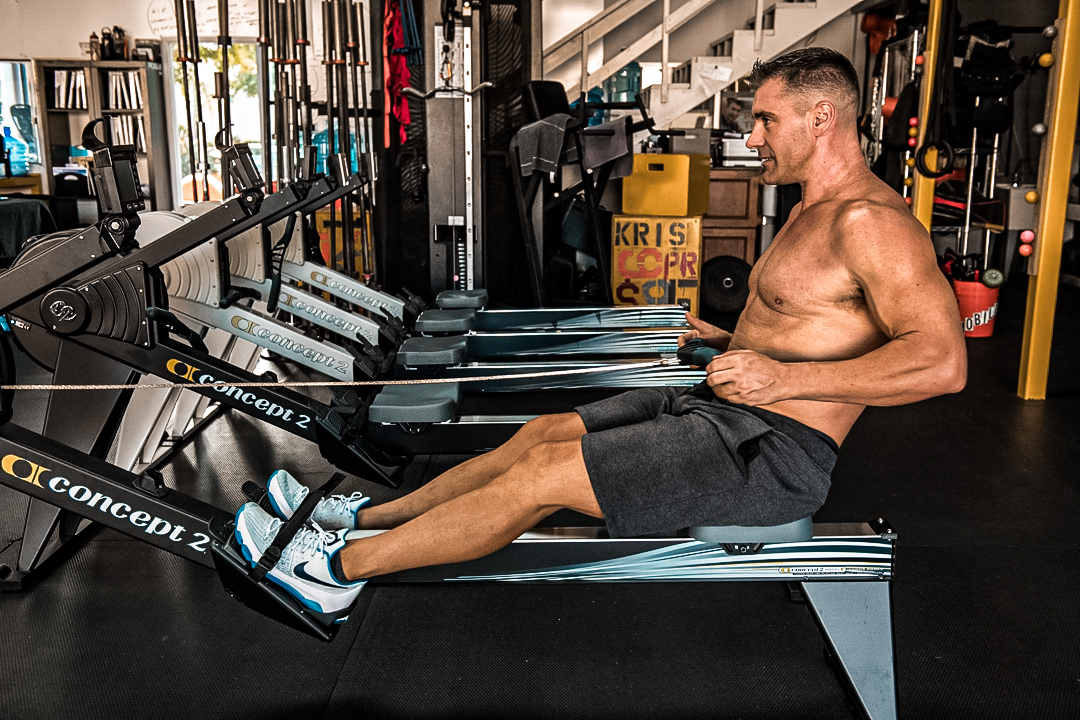
Take a 30-day rowing challenge like Rowvember: row 1,000, 1,500 or 2,000 meters a day to build endurance, strength and consistency, with tips to finish strong.

Diet, nutrition, and fitness information delivered straight to your inbox.
Copyright © Chris Keith Personal Training 619-840-9099 | Cookie Policy | Terms of Service | Privacy Policy | Data Access Request
Designed by Belladia Marketing and Design